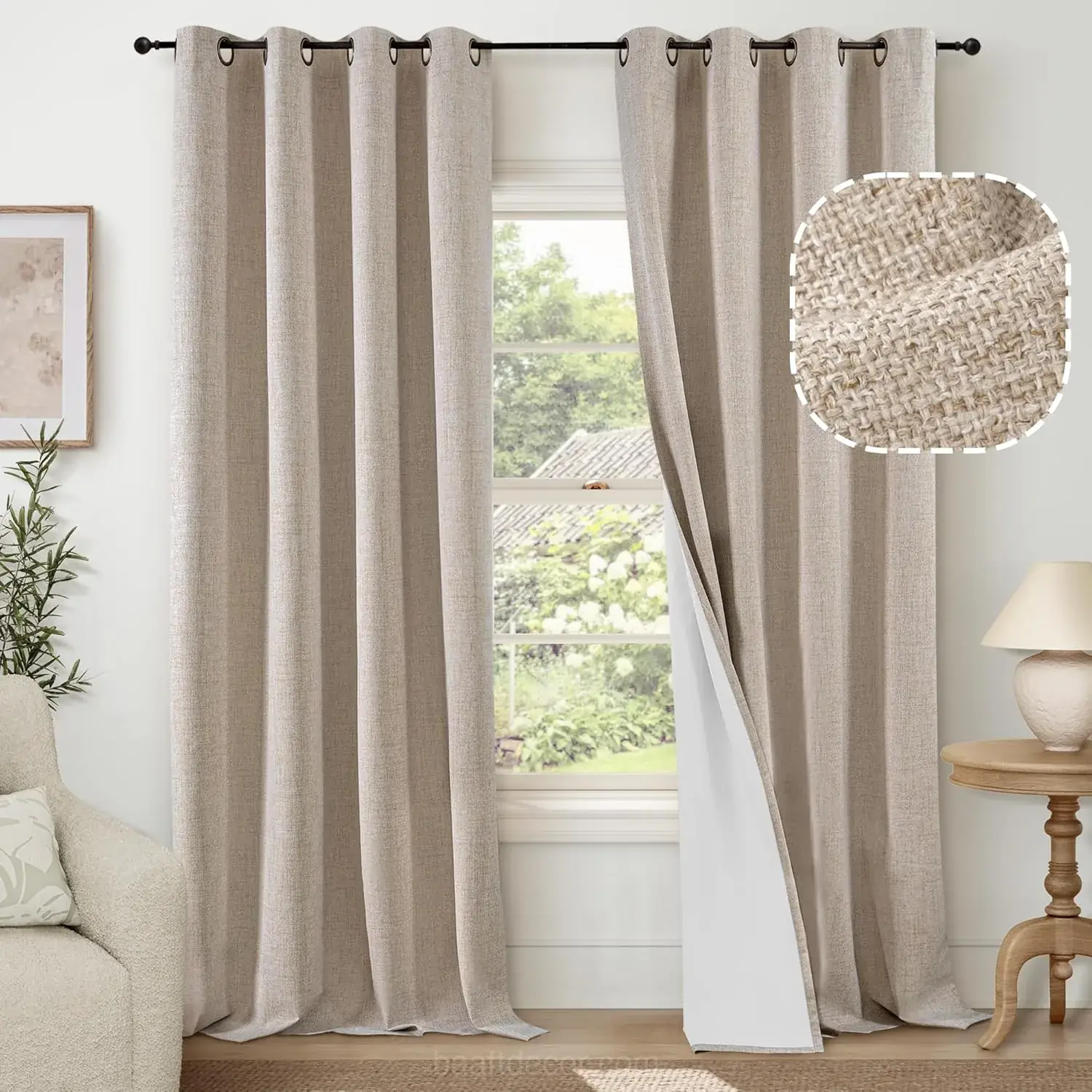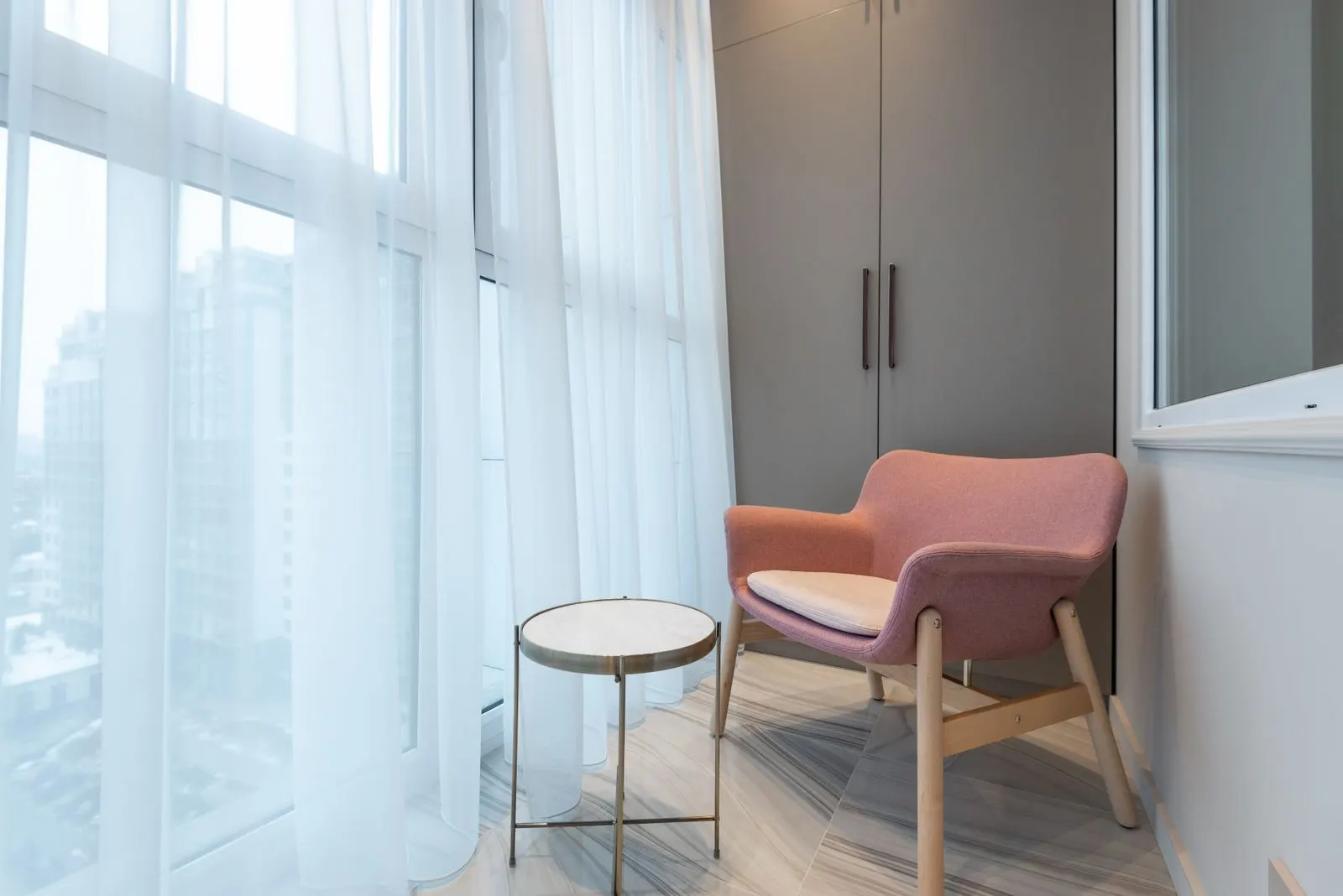
Curtains that are a few inches short, don’t meet in the middle or sag at the top rarely need replacing. Most of these problems are tailoring fixes, and the fabric often has years left in it. We take these jobs through our curtain repair and alteration service in Hyderabad, alongside track and rod repairs.
This guide covers each common alteration, what’s actually done, and the cases where it isn’t worth the effort. If you’re planning new curtains instead, start with our curtains buying guide for Hyderabad homes.
What curtain alterations are possible?
Curtain alterations are tailoring changes to existing curtains: changing the length, width, heading or lining, or repairing a heading that has gone limp. Almost any curtain in sound fabric can be altered; the limits are how much spare fabric is hidden in the hems and whether matching fabric is still available.
| Alteration | What’s done | Works best when | Watch out for |
|---|---|---|---|
| Shortening | Excess cut off, new double hem | Any fabric | Measure on the fitted hardware first |
| Lengthening | Hem let down, false hem or added band | Deep original hem | Old crease or fade line |
| Widening | Extra width added at outer edges | Fabric still available, or a contrast panel | Pattern match, fullness |
| Eyelet to pleat | Eyelet band cut off, pleat tape sewn on | Enough length or a band | Curtain gets shorter |
| Pleat to eyelet | Tape unpicked, eyelet tape and rings fitted | Rod-mounted windows | Fabric rises above the rod |
| Adding lining | Sewn-in or hook-on lining | Curtains that fade or let light in | Weight on the rod or track |
| Re-heading | New tape or buckram, more hooks | Heading softened or torn | Check the track isn’t the cause |
Want an alteration checked at your window? We visit, look at the curtains and the rod or track, and quote, free across Hyderabad. WhatsApp +91 98499 17494.
How are curtains shortened?
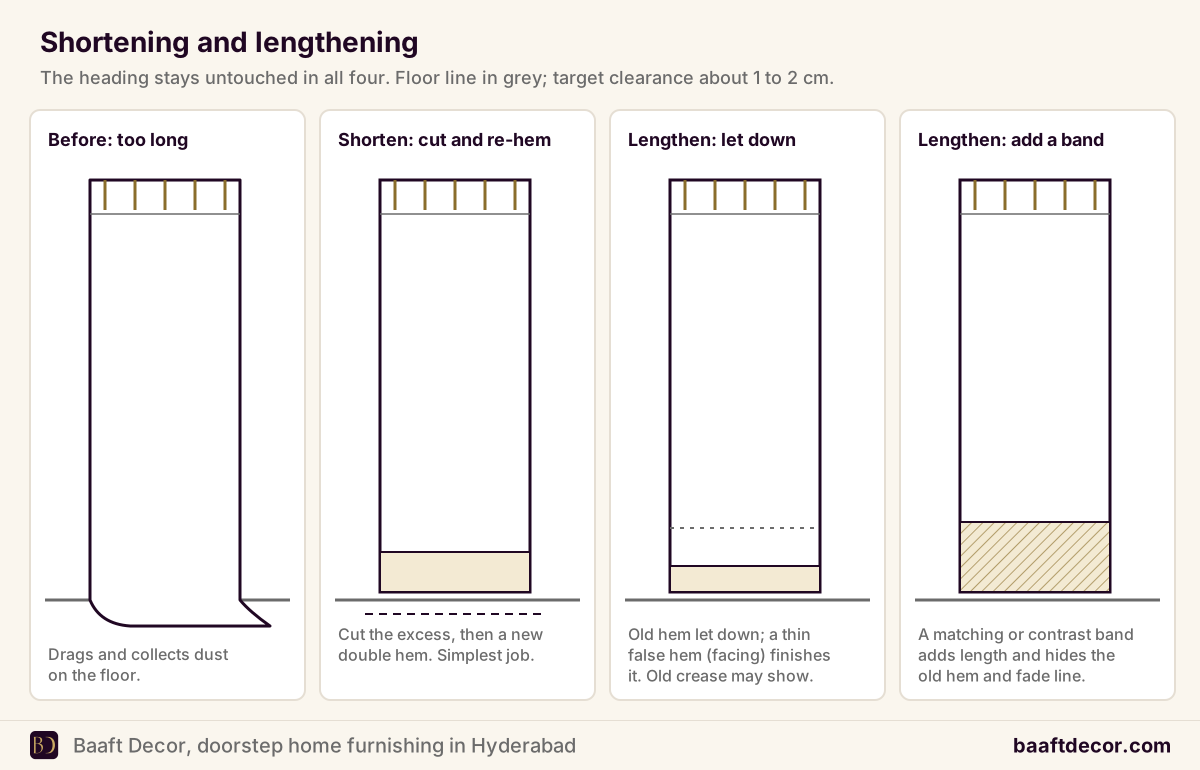
Curtains are shortened from the bottom: the tailor marks the new finished length, cuts off the excess leaving enough for a new double hem, and blind stitches it. The heading stays untouched, so the pleats and hooks keep working exactly as before.
The key is measuring on the actual hardware. Hang the curtain, then mark where it should end, typically 1 to 2 cm above the floor for floor-length curtains or just below the sill for window-length. Floors in older Hyderabad houses are often not level from one side of a room to the other, so we mark both curtains of a pair separately rather than cutting them to one number.
Lined curtains need two hems: the lining is shortened separately and finished 2 to 3 cm above the face hem so it never peeps out below.
Can curtains be lengthened?
Curtains can be lengthened in three ways, depending on how much length you need and how much fabric is hidden in the existing hem.
- Let down the hem. A double 4 inch hem holds about 8 inches of fabric. Unpick it, use most of that length, and finish the bottom with a thin false hem: a strip of lining or matching fabric stitched on as a facing.
- Add a band at the bottom. A band of matching or contrast fabric adds any length you want. It’s often the better-looking option, because it hides the old hem crease.
- Add a band below the heading. Useful when the bottom has a decorative border you want to keep.
One thing to check first: the fade line. On sunny windows the exposed fabric fades, but the part folded inside the hem doesn’t. Let the hem down and you may see a darker stripe. A band at the bottom covers it neatly.
How do you widen curtains that don’t meet?
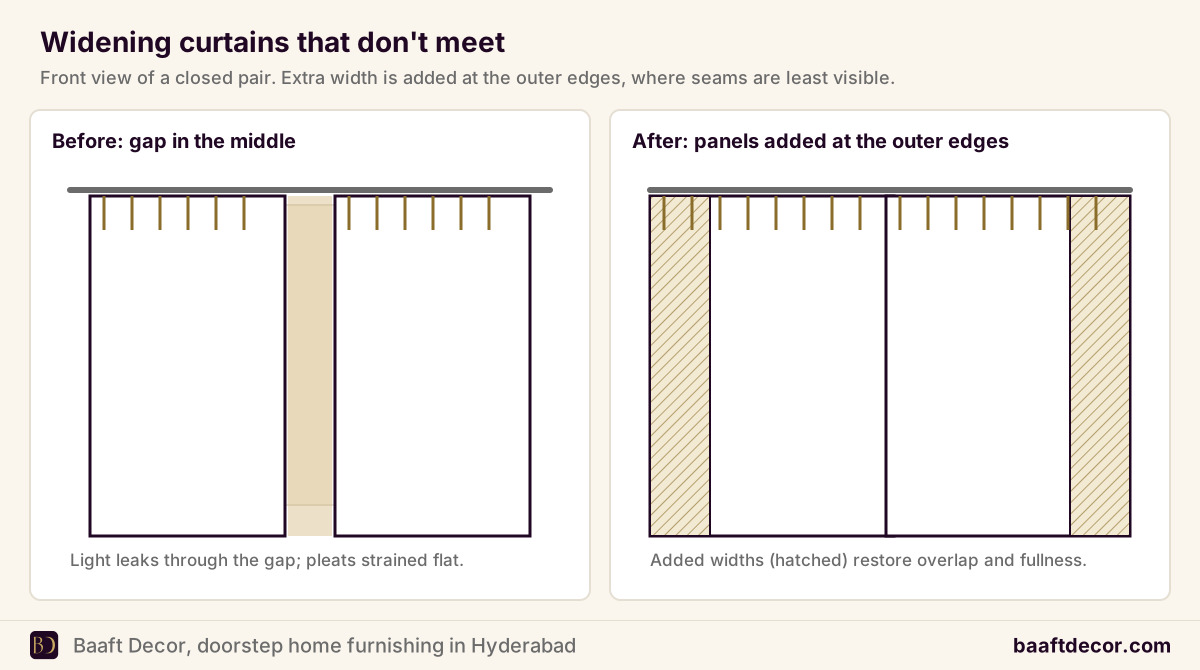
Curtains are widened by stitching extra fabric to the outer edge of each curtain, next to the wall, so the new seam hides in the stack when they’re open. If the original fabric isn’t available, a contrast panel or a deliberate border on both curtains looks intentional rather than patched.
Narrow curtains are a common problem with ready-made curtains moved from a previous home: the pair barely closes, the pleats are pulled flat and light leaks down the middle. Widening restores both the overlap (typically 5 to 10 cm where the pair meets) and the fullness that makes the folds look right.
Converting eyelet curtains to pleats, and the reverse
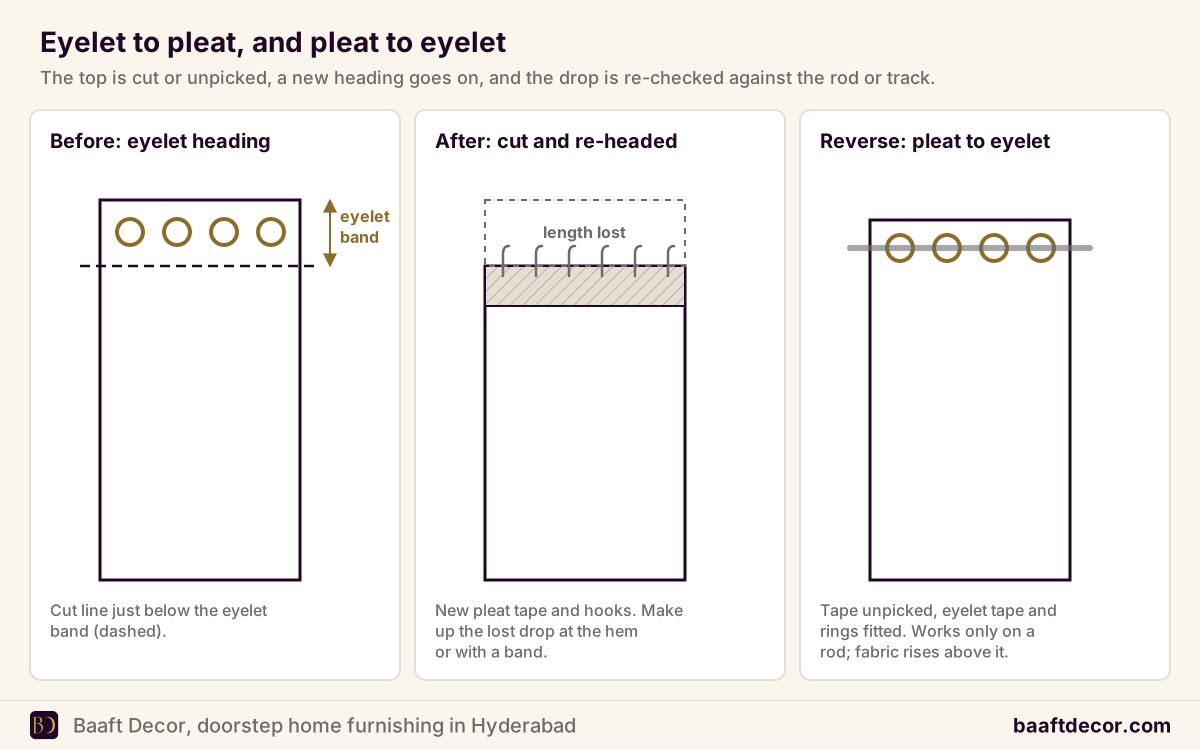
Converting an eyelet curtain to a pleated heading means cutting off the eyelet band, turning the new top and sewing on pleat tape or buckram. It’s a common request in new flats, because eyelets can’t run on the ceiling track that many false ceilings are built around.
The curtain loses roughly the depth of the eyelet band, often about 10 cm, plus the new turn-down. That length comes back from the hem or a band. Width matters too: eyelet curtains are often made at 1.5 to 2 times fullness, and a pinch pleat looks best at 2 to 2.5 times.
Going the other way, pleat to eyelet, the tape is unpicked and eyelet tape and rings are fitted. It only works on a rod, and because an eyelet curtain rises above the rod, the drop has to be rechecked.
Adding blackout lining to existing curtains
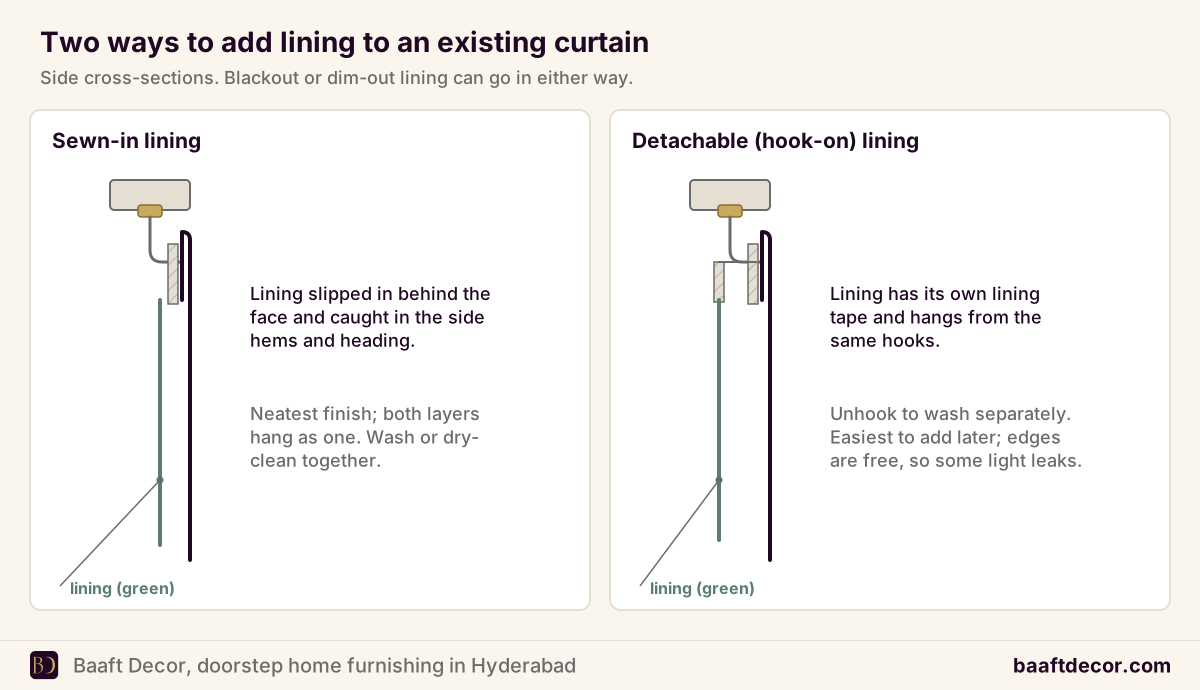
Blackout lining can be added to curtains you already own, either sewn in or as a detachable hook-on layer. It’s the alteration most worth doing on bedroom windows that face east, where light comes in very early, and on west-facing rooms where the afternoon sun is fading the face fabric.
Two cautions. Lining adds weight, so check the rod or track can carry it; thin telescopic rods often bend. And lining and face fabric may shrink differently, so wash them separately or dry-clean. For lining types, see our curtain lining guide.
Re-stitching a sagging heading
A sagging heading means the top has lost its stiffness or its support. The tailor replaces softened pleat tape or buckram, re-forms the pleats and adds hooks so each carries less weight. If the curtain dips between brackets rather than between hooks, though, it’s a hardware fault: a bent rod, broken bracket or missing glider, which we fix as part of curtain repair.
Fixing shrinkage after a wash
Cotton, linen and some blends shrink when washed hot or tumble dried. Fabric mills test this with standard methods such as ISO 5077, which measures dimensional change in washing and drying, but curtain cloth sold by the metre rarely tells you the result.
A shrunk curtain can often be saved by letting down the hem, adding a band, or re-hemming a lining that has shrunk more than the face and is pulling the hem into a curve. To stop it happening again, follow our guide on how to wash and care for curtains. In short: check the label, wash cold, and skip the dryer.
When alteration isn’t worth it
Alterations save money only when the fabric is sound. Replace instead of altering when:
- The fabric is sun-rotted. Pull gently on the edge that faces the window. If it tears, no stitching will last.
- It’s faded in stripes along the folds, which no alteration hides.
- Widening needs fabric you can’t match and a contrast panel won’t suit the room.
- Several jobs are needed at once, such as length, width, heading and lining together. By then, new curtains are close in cost and you get exactly what you want.
In those cases we’d suggest our custom curtain stitching service instead, on our fabric or yours. We also handle full projects for curtains in Hyderabad, and alteration jobs often come from older homes where we fit curtains in Begumpet, curtains in Kukatpally and curtains in Banjara Hills.
Get your curtains altered at home
Send us a photo on WhatsApp and we’ll tell you whether an alteration makes sense. If it does, we visit, check the curtains against your rods or tracks, quote, and refit them once the work is done. Baaft Decor works across Hyderabad from 8 AM to 10 PM, all seven days. WhatsApp or call +91 98499 17494.
Frequently asked questions
Can curtains be shortened without cutting them?
Curtains can be shortened without cutting by folding up a deeper hem and stitching it, or by raising the hooks in the heading tape, but both have limits. A very deep folded hem adds bulk and can show a ridge, and raising hooks only works for a few centimetres before the track shows above the curtain. For a clean result on curtains that are more than a few inches too long, a tailor cuts off the excess and makes a new double hem. Cutting is permanent, so measure the finished drop on the fitted rod or track first.
How much can curtains be lengthened?
How much a curtain can be lengthened depends on how much fabric is folded into its existing hem. Letting down a double 4 inch hem and finishing it with a thin false hem, called a facing, can gain most of that folded fabric, often several inches. If more length is needed, a band of matching or contrast fabric is added at the bottom or just below the heading, which can add any length you like. A band also hides the old hem crease and any fade line where the sun has bleached the exposed fabric.
Can eyelet curtains be converted to pinch pleat?
Yes, eyelet curtains can be converted to pinch pleat or American pleat. The tailor cuts off the eyelet band at the top, turns the new top edge and sews on pleat tape or buckram, then adds hooks for a track or rings on a rod. The curtain loses roughly the depth of the eyelet band in length, so the drop is made up by letting down the hem or adding a band. Check the width as well, because eyelet curtains are often made at lower fullness and may look thin once pleated.
Can you add blackout lining to existing curtains?
Yes, blackout lining can be added to existing curtains in two ways. A sewn-in lining is stitched into the side hems and heading after the hems are unpicked, which gives the neatest look and the best darkness. A detachable lining has its own lining tape and hangs from the same hooks as the curtain, so it can be added without unpicking anything and removed for washing. Detachable lining is quicker and suits rented homes, but some light can leak around its free edges.
Why did my curtains shrink after washing, and can they be fixed?
Curtains usually shrink after washing because natural fibres such as cotton, linen and some blends contract in hot water or a hot dryer, and lining and face fabric often shrink by different amounts, which makes the hem pucker. Shrunk curtains can often be fixed by letting down the hem if there is enough allowance, adding a band at the bottom, or re-hemming the lining separately so it no longer pulls. To avoid it, follow the care label, wash cold or dry-clean, and avoid tumble drying.
How do you fix a sagging curtain heading?
A sagging curtain heading is fixed by finding the cause first. If the pleat tape or buckram has softened after washing, the tailor unpicks the old heading and sews on new tape or buckram. If the hooks are too far apart, more hooks are added so each one carries less weight. If the curtain dips between brackets, the problem is the rod or track, which needs extra support brackets or replacing. Heavy lined curtains on a thin rod are a common cause of sagging in Hyderabad flats.
Is it worth altering old curtains or should I buy new ones?
Altering curtains is worth it when the fabric is still strong, the colour is even and you like the curtains, because a re-hem, new heading or added lining costs far less than new fabric and stitching. It is usually not worth it when the fabric is sun-rotted and tears easily, when it has faded in stripes, when widening needs fabric that is no longer available, or when several alterations are needed at once. A simple test: pull gently on the sun-facing edge. If it tears, replace the curtain.
Is there a curtain alteration service near me in Hyderabad?
Baaft Decor does curtain alterations at homes across Hyderabad, including shortening, lengthening, widening, re-hemming, adding lining, changing headings from eyelet to pleat and repairing tracks and rods. We look at the curtains and windows at your home, mark the alteration against the actual rod or track, and refit the curtains once the work is done. Full new curtain projects are most of what we do, but we take small alteration jobs too. You can call or WhatsApp +91 98499 17494, 8 AM to 10 PM, all seven days.