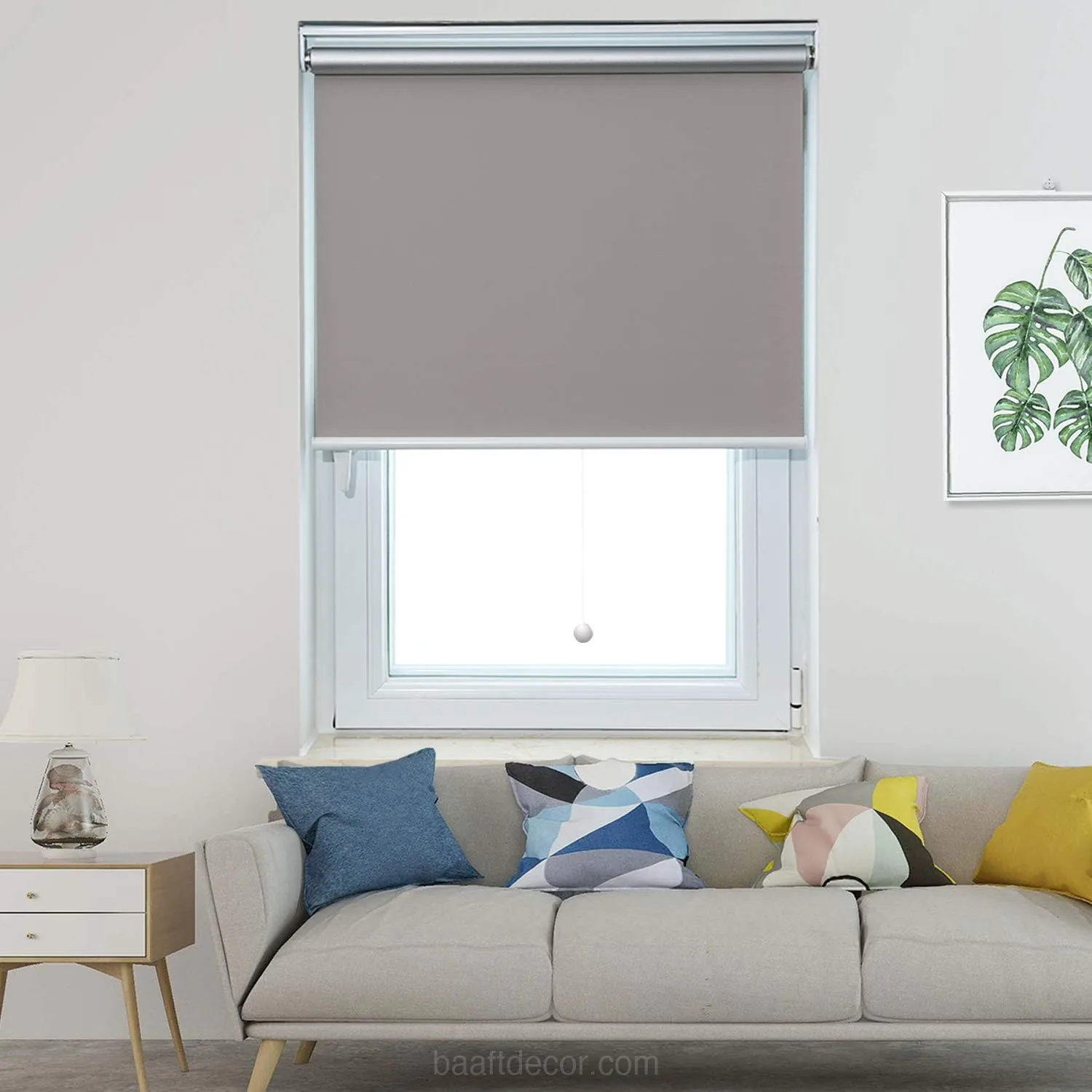
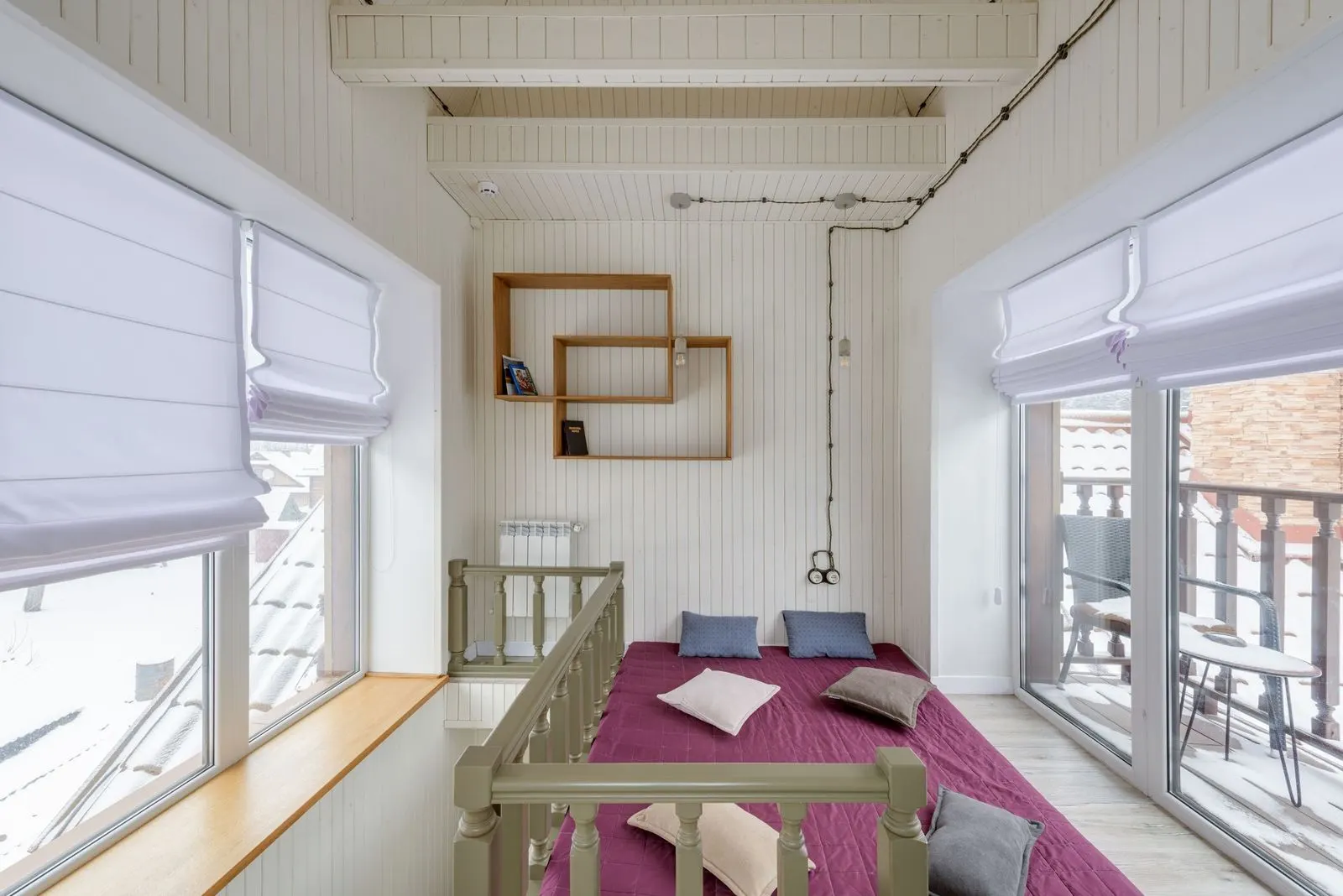
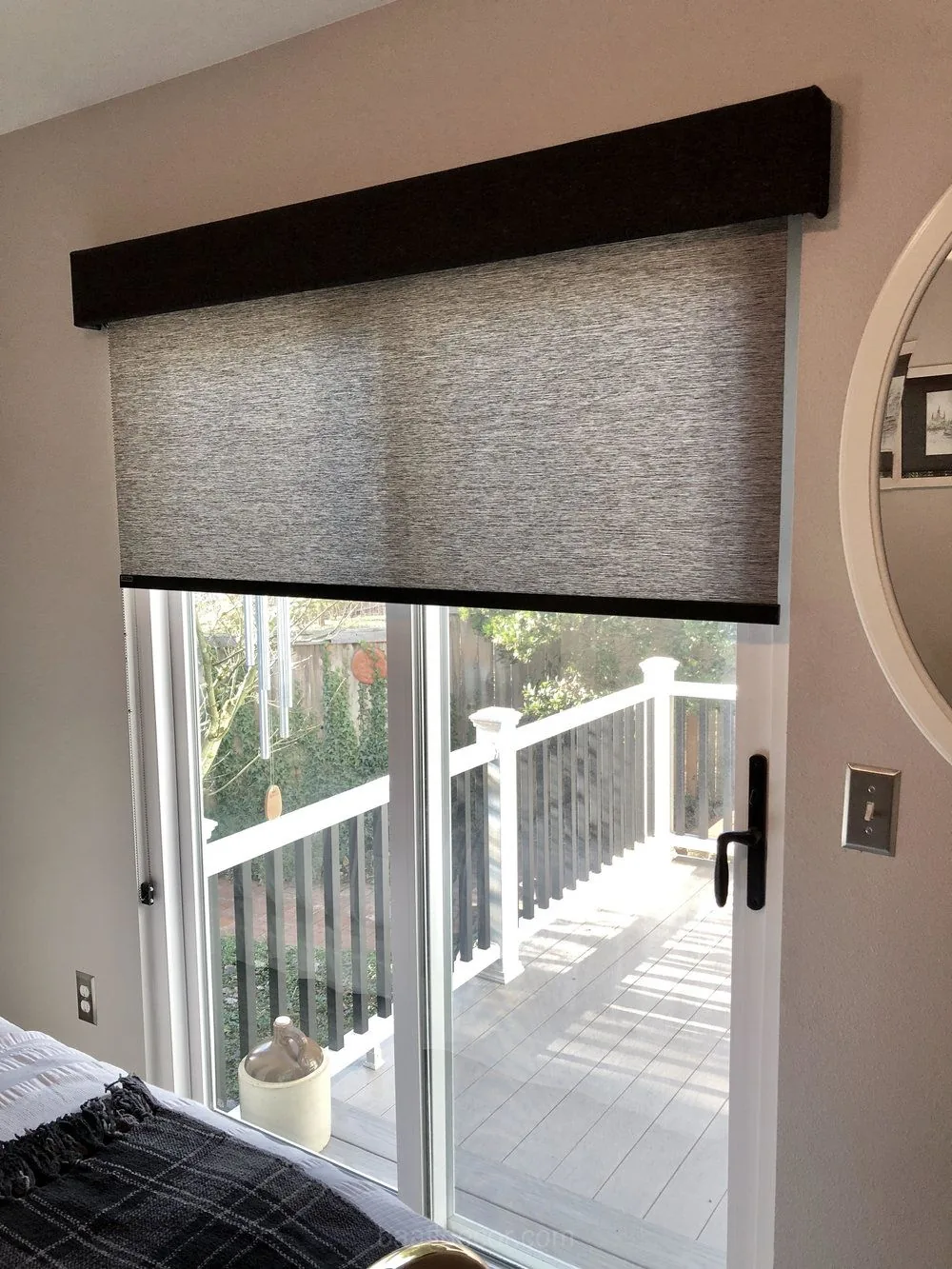
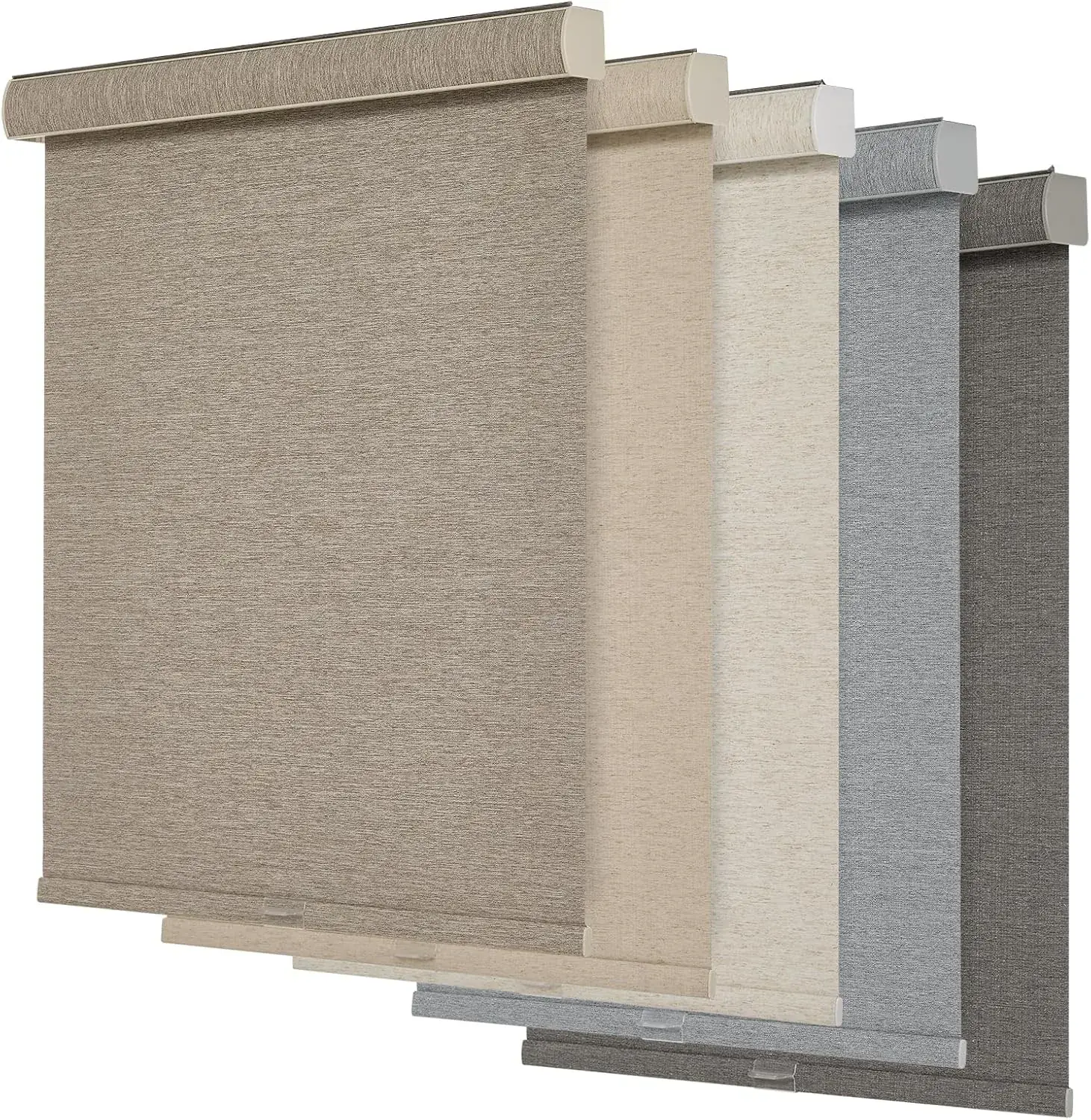
Most homes don’t need to pick a side. The useful question is which windows need a blind, which need curtains, and which need both. When we measure for window blinds in Hyderabad, we nearly always end up suggesting blinds for some rooms and curtains for others. It comes down to how each window gets used, not a general preference.
Below we compare the two on cost, light, heat, upkeep and look. If you already know you want blinds and need help choosing the type and fabric, our window blinds buying guide for Hyderabad homes picks up from there.
Blinds vs curtains: the quick answer
Blinds are better for: kitchens, bathrooms, studies, windows behind beds or desks, small bedrooms, and anyone who wants low maintenance in a dusty area.
Curtains are better for: large sliding doors, living rooms, master bedrooms where you want a soft finish, and echoey new flats that need fabric to absorb sound.
Both together are better for: west-facing rooms and bedrooms where you want daylight control by day and full darkness at night.
Which is cheaper, roller blinds or curtains?
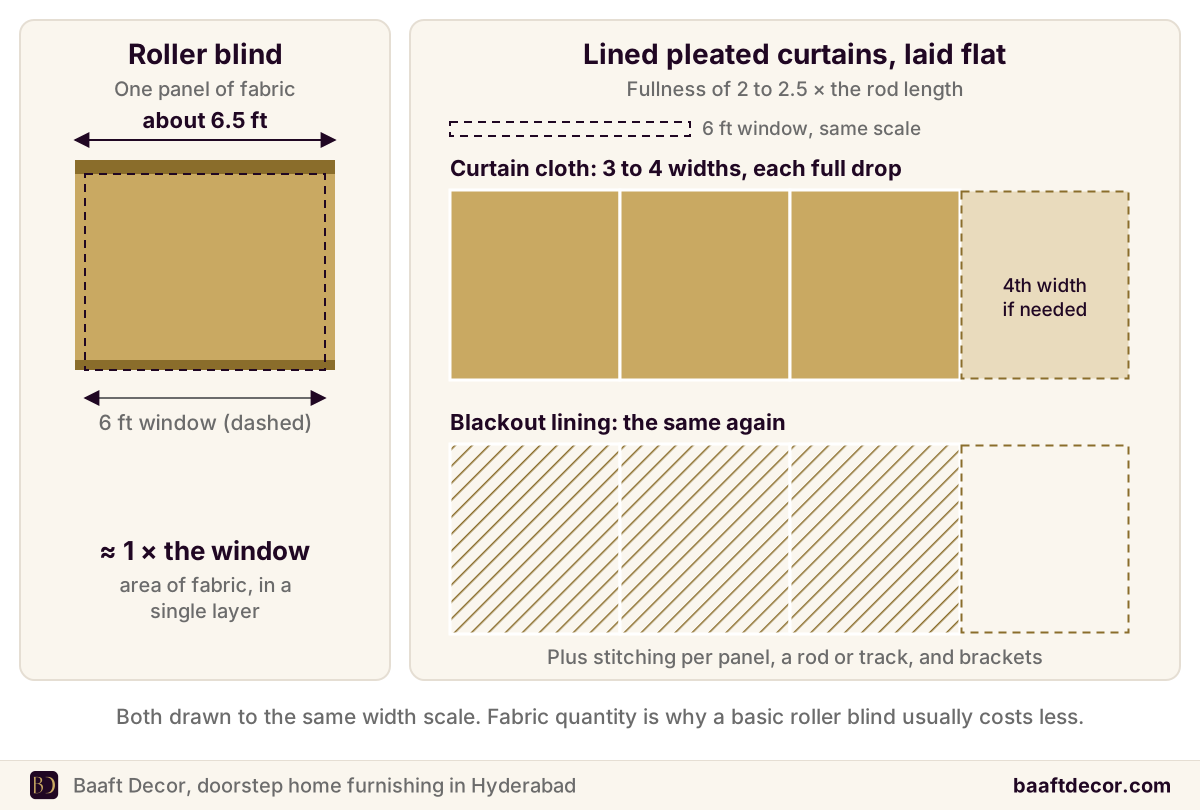
On a standard window, a basic roller blind usually costs less than custom curtains. It comes down to how much fabric each one uses.
A blind uses roughly the area of the window. Curtains need fullness to hang in folds: about 2 to 2.5 times the rod length for pleated curtains, a bit less for eyelets. Add a blackout lining and you’ve doubled the fabric again. Then there’s stitching per panel, a rod or track, and brackets.
On a 6 ft wide bedroom window, a roller blind needs one piece of fabric about 6.5 ft wide. Lined pleated curtains for the same window need three to four widths of curtain cloth, each cut to full drop, plus the same again in lining.
The comparison flips at the premium end. A motorised zebra blind or a real wooden venetian can cost more than simple eyelet curtains in polyester. For the details, see our window blinds cost guide and our curtain cost guide.
Blinds vs curtains compared
| Blinds | Curtains | |
|---|---|---|
| Typical cost (standard window) | Lower for basic rollers | Higher once lined and pleated |
| Light control | Precise; tilt or roll | Open or closed; layers add control |
| Full blackout | Yes, with blackout fabric and side channels | Yes, with blackout lining hung wide |
| Heat control | Good, close to the glass | Good when lined and full-length |
| Sound absorption | Low | Noticeably better |
| Cleaning | Vacuum or wipe in place | Take down to wash or dry-clean |
| Space used | Fits within the window outline | Needs stack space at the sides |
| Look | Clean, modern | Soft, warm, adds height |
| Child safety | Choose cordless or tensioned chains | No cords if on a plain rod |
| Best windows | Small, above counters, behind furniture | Large, floor-to-ceiling, sliding doors |
Which keeps a Hyderabad room cooler?
Both can, if you choose them for heat. A blind sits close to the glass, so a blackout or 1% to 3% sunscreen roller stops the sun right at the window. Curtains work by trapping air between fabric and glass. That only happens if they’re lined, and long and wide enough to cover the whole frame; a short unlined curtain does very little.
The most effective setup we fit on west-facing windows is a sunscreen roller for daytime glare plus lined curtains that close in the afternoon. If darkness is the priority, our blackout curtains service is designed around exactly that.
Cleaning and dust
For a lot of Hyderabad families, construction dust settles this one. Roller and zebra fabrics can be vacuumed in place every couple of weeks, and a cassette keeps the roll clean. Aluminium and faux-wood slats wipe down, though each slat collects dust separately.
Curtains have to come down for washing or dry cleaning, and heavy lined drapes are a two-person job. In the monsoon, thick curtains in damp rooms can smell musty if they don’t dry properly. To be fair to curtains, they hide dust better between cleans. Grime on a pale blind shows.
Space, furniture and how you use the window
This is where blinds win most often.
- Windows above a kitchen counter or sink. Curtains get in the way and catch splashes. Blinds.
- Windows behind a bed, desk or sofa. Curtains drag on furniture. Blinds.
- Sliding balcony doors you walk through daily. A pair of roller blinds works, but if the door is used many times a day, a curtain on a track or a vertical blind is easier, since you just draw it aside instead of raising a roller each time.
- Floor-to-ceiling glass in a living room. Curtains, possibly with a blind behind.
- uPVC sliding windows with projecting handles. Both work, but blinds must be mounted where the handle clears the fabric.
Which gives better privacy?
Closed, both give full privacy. The difference is in between. A blind can stay half-down or, with zebra and venetian types, angled so you keep daylight while blocking the view in. Curtains are mostly open or closed; for daytime privacy with light, you need a separate sheer layer.
At night, the fabric matters more than the type. Sunscreen rollers, sheers and light zebra bands become see-through once the lights are on inside. If your living room or bedroom faces another tower closely, make sure at least one layer on that window is dim-out or blackout. A roller or a lined curtain, either works.
Look and feel
Curtains add softness, colour and height. Hung from just below the ceiling, they make a window look larger. They also absorb sound, which helps in new flats with vitrified tile floors and bare walls where voices echo.
Blinds look cleaner and more modern, and they make small rooms feel less crowded. Our guide to the types of window blinds shows the range, from plain rollers to wooden venetians.
Room-by-room: what we usually suggest
- Living room: curtains on a ceiling track, with a zebra or sunscreen roller behind if the room faces another tower.
- Master bedroom: blackout roller plus curtains, or lined blackout curtains alone.
- Kids’ room: cordless blackout roller.
- Kitchen: aluminium venetian or wipeable roller.
- Bathroom: faux-wood or aluminium venetian.
- Study: sunscreen roller.
- Pooja room or foyer window: sheer curtain or roman blind.
When to use both
Layering gives you control at every hour of the day. The pairings we fit most:
- Roller blind + sheer curtain. Blind for privacy and glare, sheer for a soft daytime look.
- Sunscreen roller + blackout curtain. Day glare control, night darkness. Ideal for west-facing bedrooms.
- Zebra blind + decorative drapes. Daylight with privacy, plus a fuller look in the evening.
If you’re unsure which curtain fabric goes with your blind, our guide to blackout, sheer and dim-out curtains explains the differences. And when you want curtains made to measure, see our custom curtains service.

Mistakes we see with both
These problems turn up with blinds and curtains alike:
- Expecting blackout from an inside-mount blind. A blind inside the recess always leaves thin light lines at the edges. For a dark bedroom, mount it outside the frame or add side channels.
- Curtain rods fixed right above the window frame. In most flats the lintel sits well below the ceiling, so a rod there makes the window look short. Mount the rod or track close to the ceiling and extend it past the frame; the window looks taller and the curtains stack off the glass.
- Ready-made curtains on wide sliding doors. Fixed-width panels often don’t have enough fullness to close properly, so a gap stays open in the middle.
- Fabric blinds next to the hob. Heat and cooking grease ruin a fabric roller fast. Kitchens need aluminium slats or a wipeable coated fabric, kept clear of the cooktop.
- Layering without planning. A blind fitted first, with curtains added later, often clashes with the curtain track or bracket. Plan both projections together.
- Long chains and cords in kids’ rooms. Choose cordless or motorised blinds, or fix chains to the wall with a tensioner.
On very large windows where heavy curtains or several blinds open together every day, motorised curtains and blinds remove the daily effort, and a motor never yanks a curtain off its gliders.
Get both options priced for your windows
Book a free home visit. We’ll bring blind and curtain samples together, check each window, and give you a written quote for whichever suits each room, or both. We work across Hyderabad from 8 AM to 10 PM, all seven days. WhatsApp or call +91 98499 17494.
Frequently asked questions
Which is cheaper, roller blinds or curtains?
A basic roller blind is usually cheaper than custom curtains for the same window, because a blind uses fabric equal to the window area while pleated curtains need two to two and a half times the window width in fabric, often with a lining, plus a rod or track and stitching. The comparison flips at the premium end: motorised zebra, wooden or honeycomb blinds can cost more than simple unlined eyelet curtains. For a fair comparison, get both priced for the same windows after measurement.
Are blinds or curtains better for keeping a room cool in Hyderabad?
Both can keep a room cool, but they work differently. Blinds sit close to the glass, so a blackout or low-openness sunscreen roller stops sun before it spreads into the room and keeps the window area compact. Lined curtains with a blackout or thermal backing, hung wide and long so they cover the whole frame, trap a layer of air and reduce heat from west-facing glass. In practice, the coolest rooms in Hyderabad summers use a sunscreen roller by day plus lined curtains for the afternoon.
Which is easier to maintain in dusty conditions, blinds or curtains?
Blinds are generally easier to maintain in dusty conditions because flat roller and zebra fabrics can be vacuumed in place with a brush attachment, and aluminium or faux-wood slats can be wiped down. Curtains have to be taken down for washing or dry cleaning, which takes more effort, especially for heavy lined drapes. The exceptions are roman blinds and venetian blinds, whose folds and slats trap dust. In homes near construction sites, a roller blind in a cassette is the lowest-maintenance option.
Can you use blinds and curtains together on the same window?
Yes, using blinds and curtains together is one of the most practical combinations for Indian homes. A common setup is a roller or zebra blind fitted inside or just outside the window for daily light control, with curtains on a rod or ceiling track in front for softness, privacy and extra darkness at night. The blind handles glare and dust while the curtains add warmth and blackout. Plan the brackets together so the blind does not foul the curtain track and both can operate freely.
Do blinds make a room look smaller or bigger than curtains?
Blinds usually make a small room look bigger and cleaner, because they sit within the window outline and do not take up wall space at the sides or stack in front of the glass. Curtains can also make a room look taller and wider if they are hung from near the ceiling and extend past the frame, so the window appears larger. Heavy, dark curtains on a small window tend to make a room feel cramped. In compact bedrooms and studies, blinds are often the better choice.
Are blinds or curtains better for a bedroom?
For a bedroom, the darkest result usually comes from curtains with a blackout lining hung wide of the frame, or from a blackout roller blind mounted outside the recess with side channels. Blinds are better when the bed or a wardrobe sits close to the window, and curtains are better when you want a soft, hotel-style look. Many people choose both: a blackout roller for sleep and light curtains for style. For children's rooms, choose cordless blinds or curtains without loose cords.
Which lasts longer, blinds or curtains?
How long blinds or curtains last depends far more on quality and sun exposure than on the type. Good roller blinds with a quality tube and chain can last many years, but cheap chain mechanisms wear out early. Curtains in harsh west sun fade faster if unlined, while lined curtains protect the face fabric. In Hyderabad, the biggest killers are direct afternoon sun and monsoon damp. Choosing sun-resistant fabrics, lining curtains and using cassettes on blinds extends life for both options.
Are blinds or curtains better for a rented flat?
For a rented flat, ready-made curtains on a simple rod are often the easiest option because they move with you to the next home, while custom blinds are cut to one window's size. However, if the landlord allows drilling and you plan to stay a few years, roller blinds are compact and inexpensive. Some blinds can be mounted on the window frame with minimal drilling. Ask the landlord before drilling into tiles, RCC beams or uPVC frames, since repairs can come from your deposit.