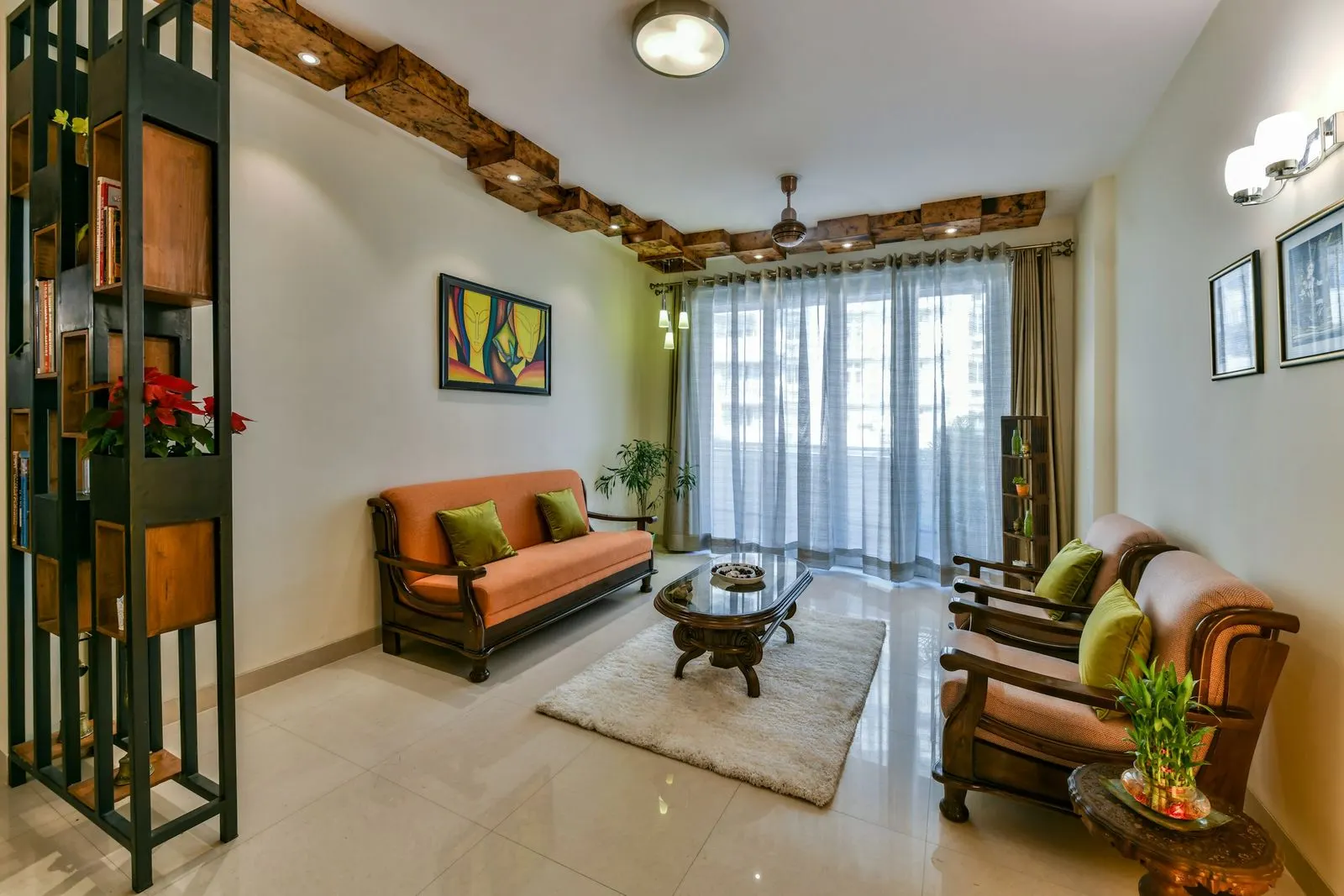
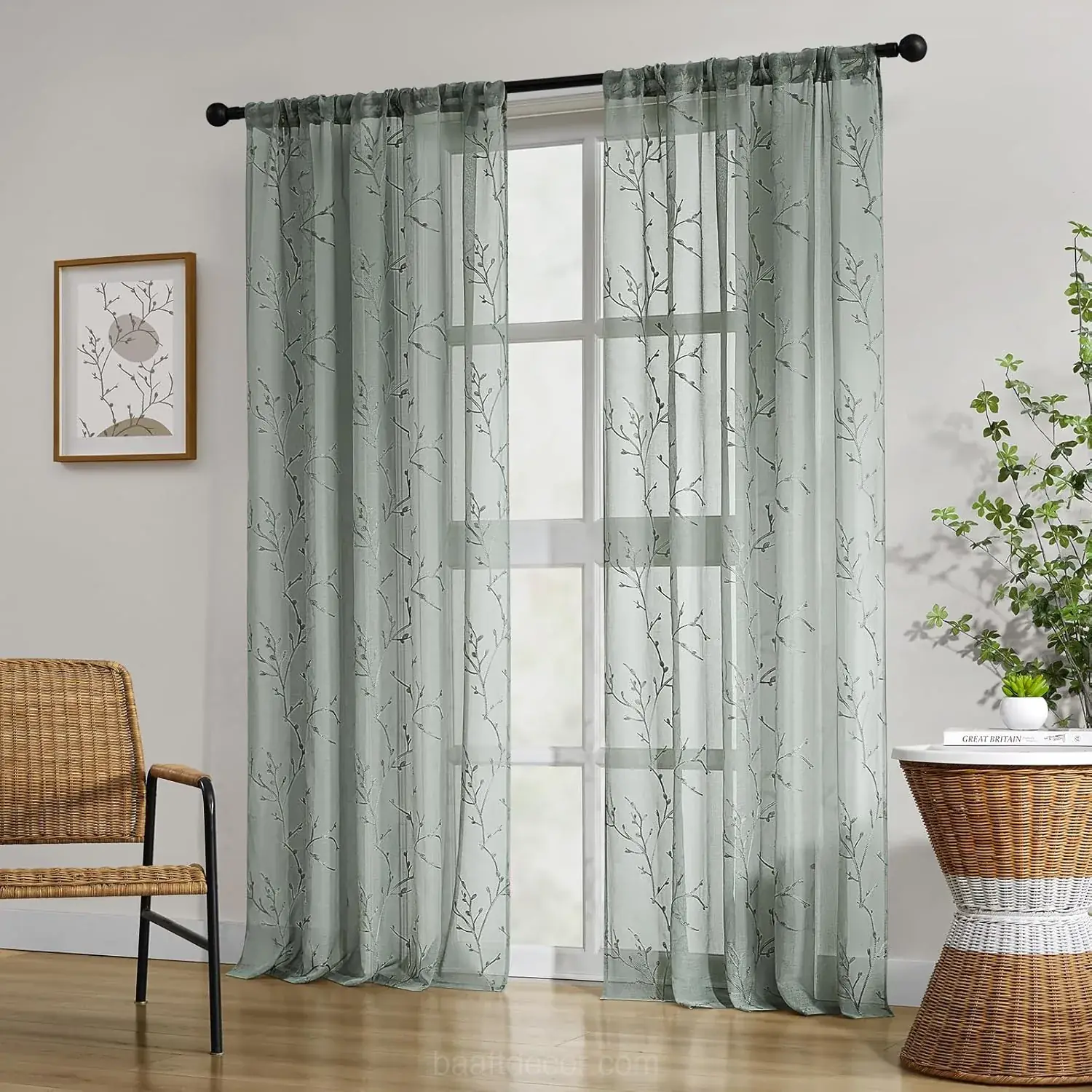
The price of curtains in Hyderabad isn’t a single number per window, and anyone who gives you one over the phone is guessing. It’s a calculation: how many metres of fabric your window needs, multiplied by what that fabric costs, plus lining, stitching, hardware and fitting. When we quote for custom curtains in Hyderabad, every one of those lines is written out, because that’s where the real differences between quotes hide.
If you’re still choosing fabrics and headings, start with our curtains buying guide for Hyderabad homes. This page is narrower. It takes a curtain quote apart line by line, so you can read any quote, ours or anyone else’s, and see where the money goes.
How is curtain cost calculated?
Start with fabric quantity. It’s the biggest multiplier, and most people underestimate it.
- Rod or track length. Not the window width. The rod usually runs 15 to 20 cm past the frame on each side so the open curtain stacks off the glass.
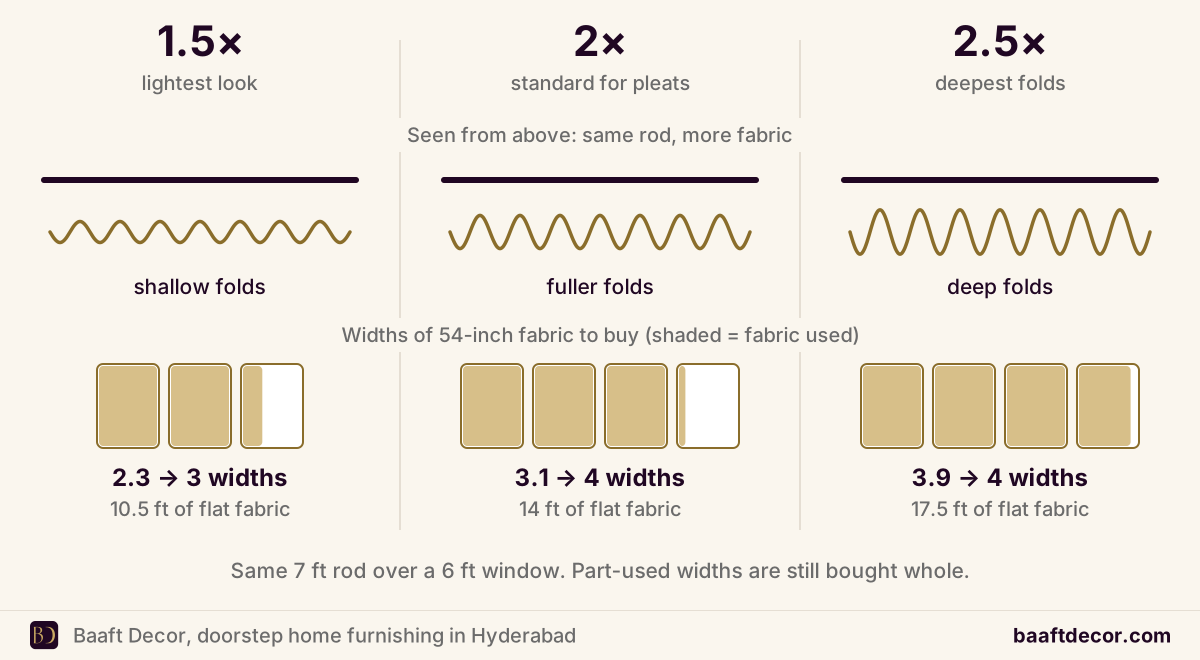
- Fullness. Pleated curtains need roughly 2 to 2.5 times the rod length in flat fabric. Eyelet curtains need less, about 1.5 to 2 times.
- Number of widths. Most curtain cloth comes about 54 inches (roughly 137 cm) wide. Divide the total flat width by the fabric width and round up.
- Drop. Each width is cut to the finished length plus allowance for the heading and hem.
Take a 6 ft living room window with a rod that extends to 7 ft. At 2x fullness you need about 14 ft of flat fabric, which is three to four widths of 54-inch cloth. If the curtain runs from just below the ceiling to the floor, each width is close to 9 ft long. That one window can easily need 10 metres or more of fabric, before lining.
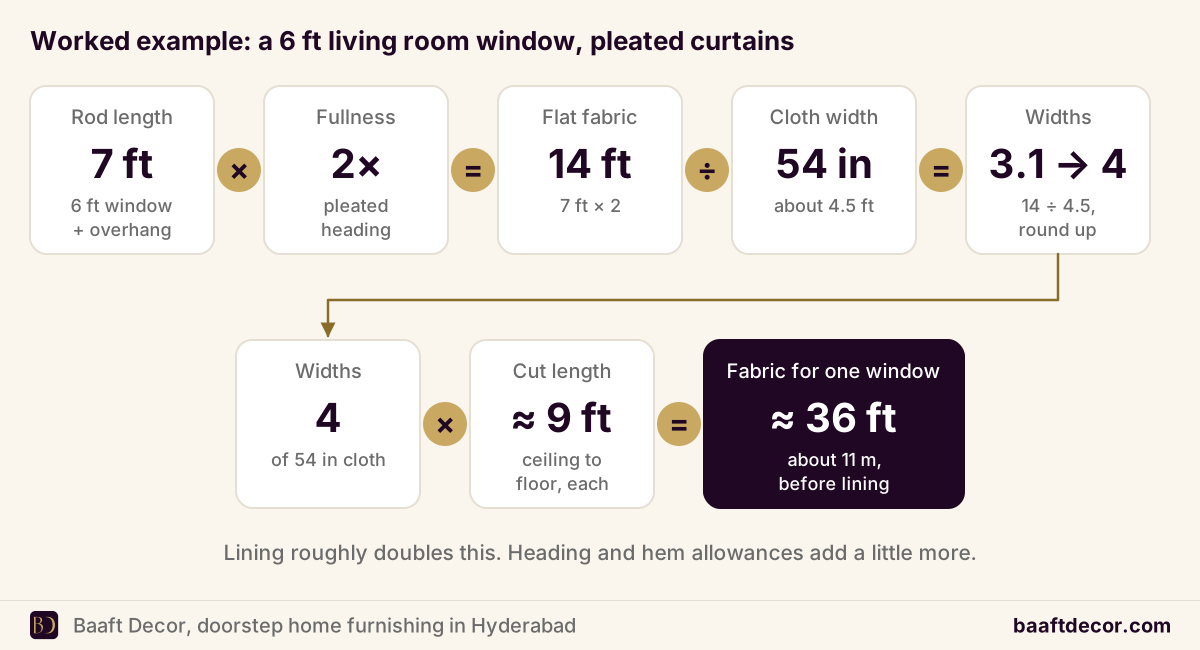
Our guide on how to measure windows for curtains covers this step by step if you want to check the maths yourself.
Window size and shape
A standard 4 ft bedroom window and a 10 ft sliding door to the balcony are different jobs, even in the same flat. What pushes the number up:
- Drop. Floor-to-ceiling curtains (the look many owners in new Gachibowli and Kokapet apartments want) use roughly twice the fabric of sill-length ones on the same window.
- Width. Long sliding doors need more widths, joined with seams, and a longer rod or track with extra centre supports.
- Shape. Corner windows, bay windows and L-shaped glass need bent tracks or joined rods, plus more careful measuring and fitting.
Small utility and bathroom windows often don’t need a curtain at all. A roller blind costs less there and stays out of the splashes.
Fabric grade: the single biggest price swing
Two curtains with identical measurements can differ several times over in cost purely because of the fabric.
| Fabric | What it costs you in practice | Hyderabad notes |
|---|---|---|
| Polyester and poly-blends | Lowest cost per metre, widest range of colours | Holds colour well in strong sun, washes easily, our default for west-facing rooms |
| Cotton and cotton-blends | Mid-range | Breathable and soft, but fades and shrinks if unlined in direct sun |
| Linen-look and textured weaves | Mid to high | Popular in new apartments; true linen creases and costs more than linen-look polyester |
| Velvet, jacquard, heavy weaves | High | Rich look for formal living rooms; heavier, so needs sturdier hardware |
| Sheers (voile, linen sheer, embroidered) | Low to mid per metre, but wide-width rolls change the count | Used as a day layer; extra-wide sheer rolls can avoid seams on tall windows |
Patterned fabric adds a quieter cost. The print has to line up across every width, so the tailor loses some fabric at each cut. Plain and textured weaves waste far less.
Lining: blackout, dim-out or thermal
Lining is a second fabric sewn behind the face cloth. It roughly doubles the fabric quantity and adds stitching time.
- Blackout lining blocks almost all light and is what most people want in bedrooms. If that’s your priority, our blackout curtains service is built around it.
- Dim-out or regular lining softens light, protects the face fabric from fading and makes folds hang better.
- Thermal-coated lining with a light backing facing the glass reflects some heat. Useful on west-facing windows.
Skipping the lining saves money on the day you order. On a west window in the April and May sun, though, unlined cotton can fade unevenly within a couple of summers, and then you’re paying for new curtains.
Stitching and heading style
The heading is how the top of the curtain is finished. It affects both labour and fabric quantity.
| Heading | Labour | Fabric needed | Hardware |
|---|---|---|---|
| Eyelet | Lowest | Least | Rod only |
| Pencil pleat | Low | Medium | Rod or track |
| Pinch pleat (2 or 3 finger) | Medium | More | Rod or track |
| Ripple / wave fold | Higher | More | Special track only |
If you’re unsure which heading suits each room, the types of curtains guide compares them in detail.
Rods, tracks and hardware
Most people skim the hardware line, and it’s the hardest one to redo. A thin rod across a 10 ft span sags in the middle, and replacing it means fresh holes in the wall.
- Decorative rods are priced by length, material (aluminium, stainless steel, MS with powder coat, wood) and finials.
- Tracks are usually priced per running foot. Ceiling tracks, double tracks for sheer-plus-blackout, and ripple-fold tracks cost more than a basic single channel.
- Small parts add up: brackets, hooks, rings, gliders, end stops, tie-backs.
For balconies and humid rooms we lean towards aluminium or stainless steel, since mild steel rusts once the coating chips. More on choices in our curtain rods and tracks guide.
Installation: where the surprises happen
Installation cost depends mostly on what we’re drilling into.
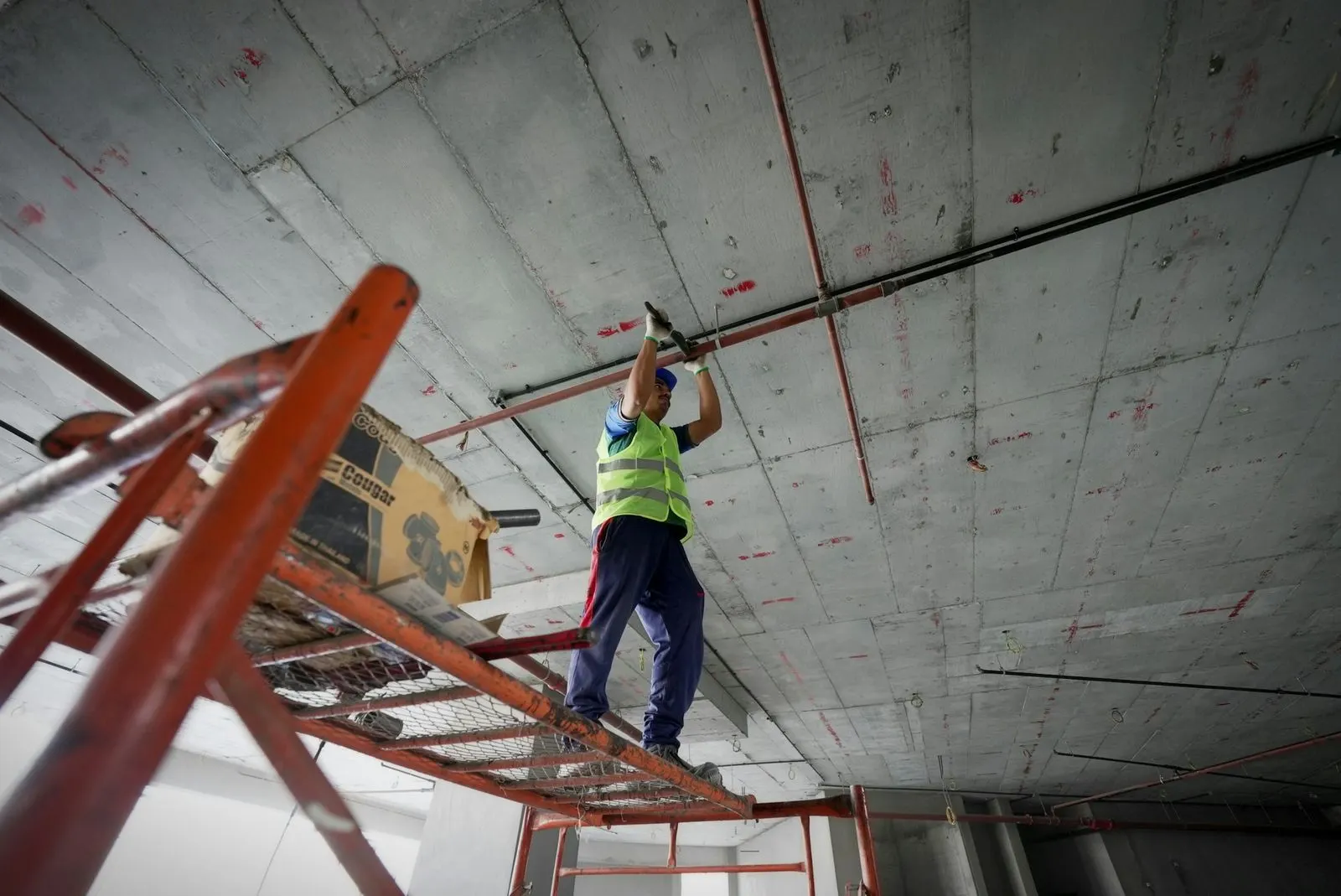
- RCC beams above windows. Common in Hyderabad apartments. Drilling into concrete is slower and needs the right bits and anchors.
- AAC block walls in newer gated communities need anchors suited to that material, or brackets pull out under weight.
- Gypsum false ceilings can’t hold a track on their own. The track must go into the slab above or into a backing strip planned before the ceiling is closed.
- Double-height windows in villas and penthouses need tall ladders or scaffolding.
Motorisation
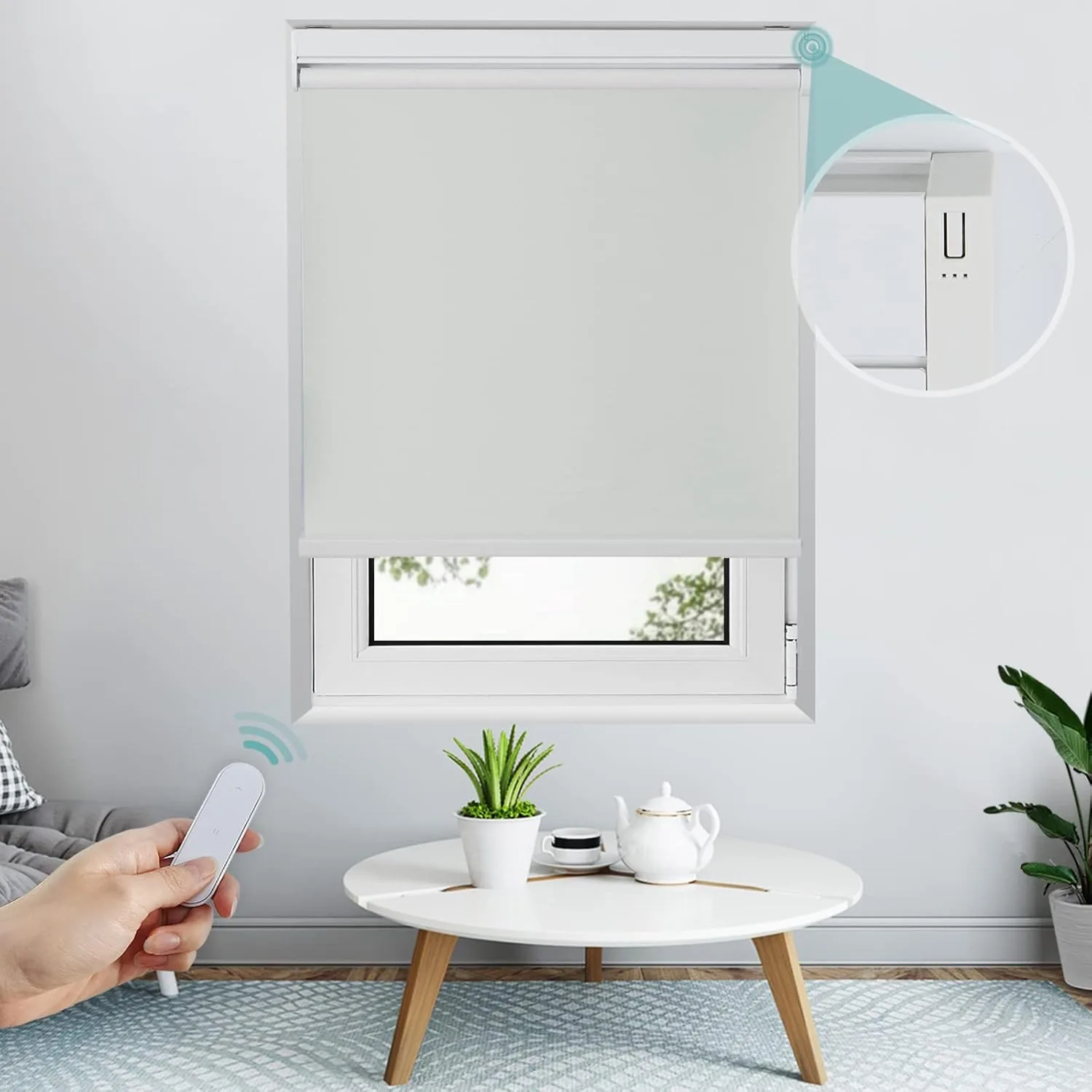
A motor adds the biggest single jump to a window’s cost: the motor, a motor-rated track, a remote or app hub, and usually an electrician to bring power near the track. Battery motors skip the wiring but still cost more than manual tracks. It earns its cost on very wide or tall windows and heavy lined curtains. Our motorised curtains and blinds page explains the options.
What should a curtain quote include?
A fair quote lists each item separately, so you can compare like with like:
- Fabric name or code, and metres per window
- Lining type and metres
- Heading style and stitching charge
- Hardware type, length per window, and brackets
- Installation, including any false-ceiling or height work
- Accessories (tie-backs, valance, pelmet)
- GST, shown clearly
- Timeline from order to installation
If a quote just says “living room curtains, 1 lot”, ask for the breakdown.
How to save without regretting it later
- Put blackout lining only where you sleep. Living rooms rarely need it.
- Choose plain or small-repeat fabrics to avoid pattern wastage.
- Use eyelet or pencil pleat in kids’ rooms, study rooms and utility areas.
- Do every room in one visit. One measurement trip and one installation day costs less than three separate jobs.
- Don’t cut fullness below about 1.5x or buy thin rods for wide windows. Both look cheap and get replaced.
Get a fixed quote for your home
Book a free home visit and we’ll bring fabric samples, measure every window, and give you a written, itemised quote before any cutting starts. We work across Hyderabad from 8 AM to 10 PM, all seven days. WhatsApp or call +91 98499 17494 to fix a time.
Frequently asked questions
How much do window curtains cost in Hyderabad?
Window curtain cost in Hyderabad comes down to six things: window size, fabric, fullness (how much fabric is gathered into the width), lining, heading style and hardware. A small bedroom window in plain polyester on a basic rod costs a fraction of a floor-to-ceiling living room window in lined linen-look fabric on a ceiling track. Fabric quantity alone varies so much between homes that a fixed figure only makes sense after measuring. Baaft Decor measures every window free at your home and gives a written, itemised quote.
What is the cost of curtain installation, and is it charged separately?
Curtain installation covers fixing brackets, rods or tracks, hanging the curtains and dressing the folds. Some Hyderabad suppliers include it in the quote and others list it as a separate line, so always ask. Installation costs more when the work is harder: drilling into an RCC beam above the window, fixing a ceiling track into a gypsum false ceiling that needs backing, double-height windows that need tall ladders, or removing old fittings and patching holes. At Baaft Decor, installation is shown clearly in the written quote before any work starts.
Are ready-made curtains cheaper than custom-stitched curtains?
Ready-made curtains are usually cheaper up front because they come in fixed sizes, commonly 5 ft, 7 ft and 9 ft lengths, with eyelet headings and little fullness. They work for standard windows in rented flats or kids' rooms. Custom curtains cost more because they are cut to your exact drop and width, use proper fullness, and can be lined. In Hyderabad homes with large sliding doors, floor-to-ceiling glass or west-facing rooms, ready-made panels often fall short, look skimpy or let light leak around the edges, so they get replaced sooner.
Why do blackout curtains cost more than regular curtains?
Blackout curtains cost more because you are paying for extra material and extra stitching. Most custom blackout curtains are a decorative face fabric with a separate coated blackout lining sewn behind it, so the fabric quantity roughly doubles and the tailor sews two layers together. Triple-weave blackout fabrics avoid the separate lining but are themselves a heavier, denser cloth. Lining also makes curtains heavier, which can mean a stronger rod or track. For bedrooms facing the morning or west sun in Hyderabad, the extra cost is usually worth it.
Is curtain cloth charged per metre or per panel in Hyderabad?
Most Hyderabad curtain quotes combine both. The fabric is charged per metre, and the stitching is charged per panel, per pleat style or per running foot of finished width, depending on the supplier. A panel is usually one full width of fabric, around 54 inches for most curtain cloth, so a wide window needs several panels. Hardware such as tracks is generally charged per running foot. Ask for every line item separately so you can compare two quotes fairly instead of comparing a single total.
How much extra do motorised curtains cost compared with manual curtains?
Motorised curtains cost noticeably more than manual curtains because you add a motor, a motor-rated track, a remote or app controller, and often electrical work to bring a power point close to the track. Battery or rechargeable motors avoid new wiring but still add to the hardware cost. The fabric and stitching cost stays roughly the same. Motorisation makes most sense for very wide or tall windows, high-rise living rooms with heavy curtains, and windows you cannot reach easily behind furniture.
Is GST included in curtain quotes?
Whether GST is included in a curtain quote varies by supplier, so confirm it before you compare totals. Some quotes show tax-inclusive prices and others add GST at the end, which can change the final amount by a fair margin. Fabric, stitched curtains, hardware and installation can be taxed at different rates, so ask for the tax to be shown on the written quote. When the bill arrives, check that the fabric names, metres, hardware and installation lines match what you were quoted.
How can I reduce the cost of curtains for a new flat?
To reduce curtain costs for a new flat, spend on the rooms that need performance and keep the rest simple. Use lined blackout only in bedrooms, use eyelet or pencil-pleat headings in kids' rooms and utility areas, choose plain fabrics so there is no pattern-matching wastage, and reuse sound existing tracks. Getting every room measured, quoted and installed in one visit also saves repeat installation trips. Avoid cutting fullness too far or using thin rods on wide windows, because both lead to early replacement.