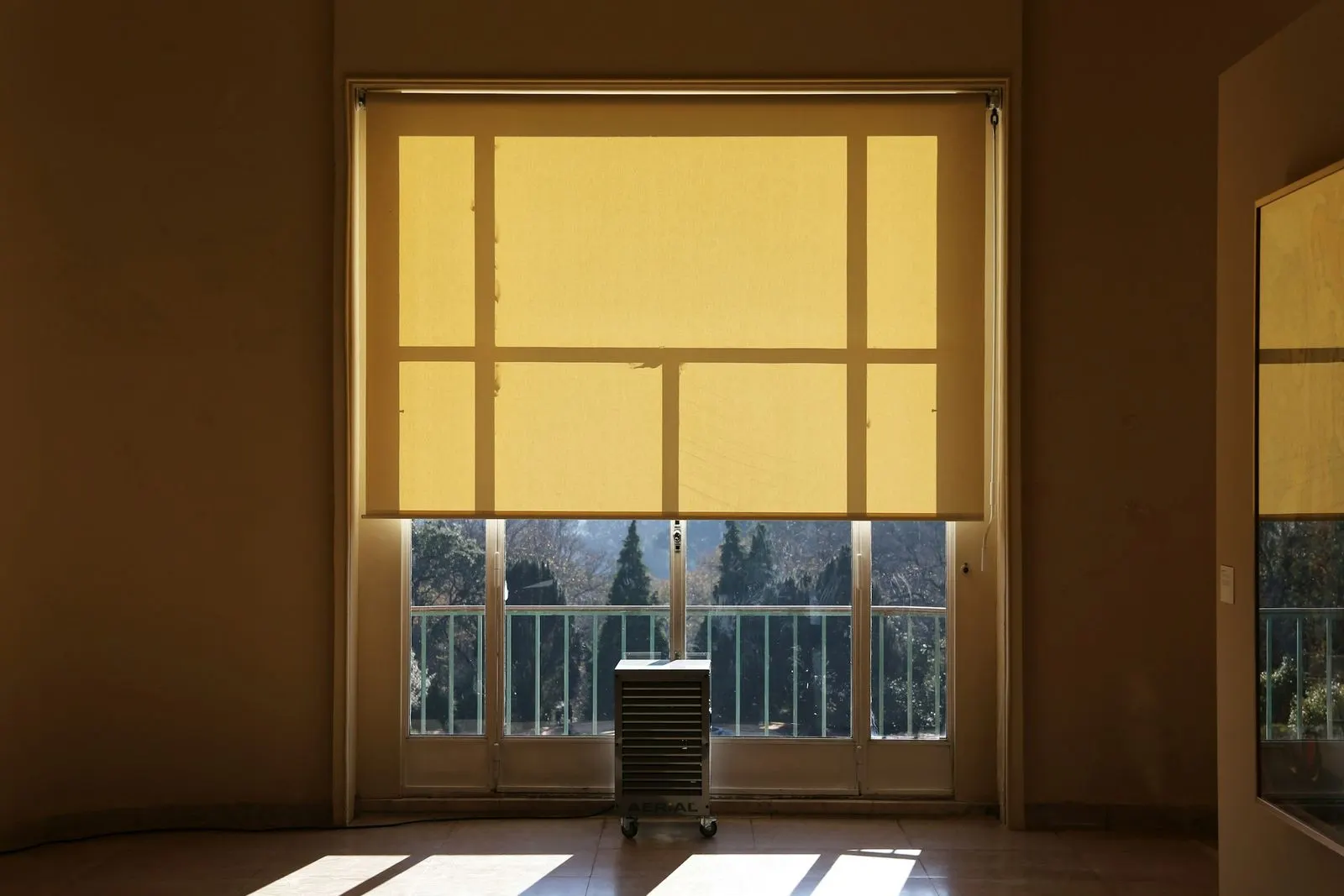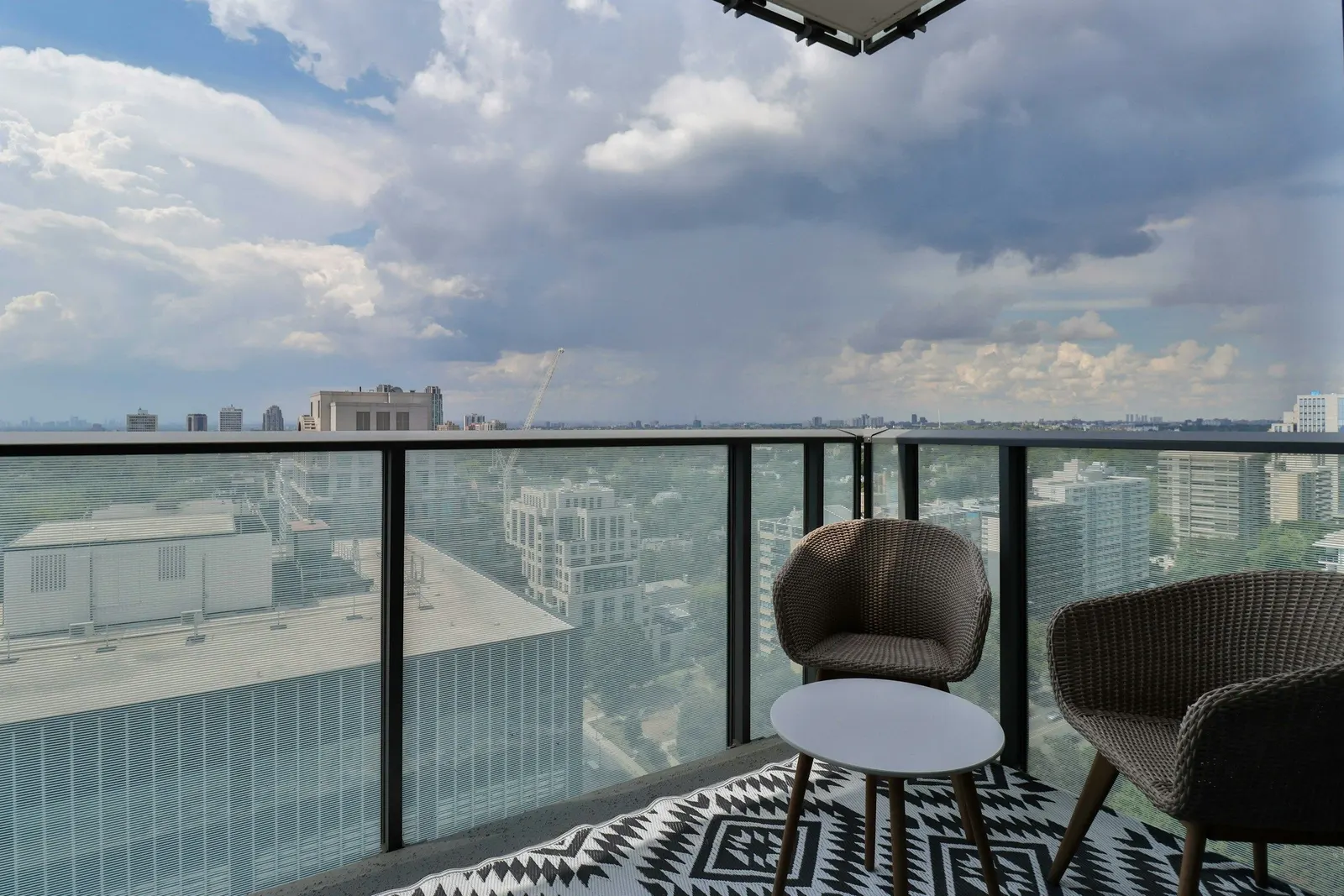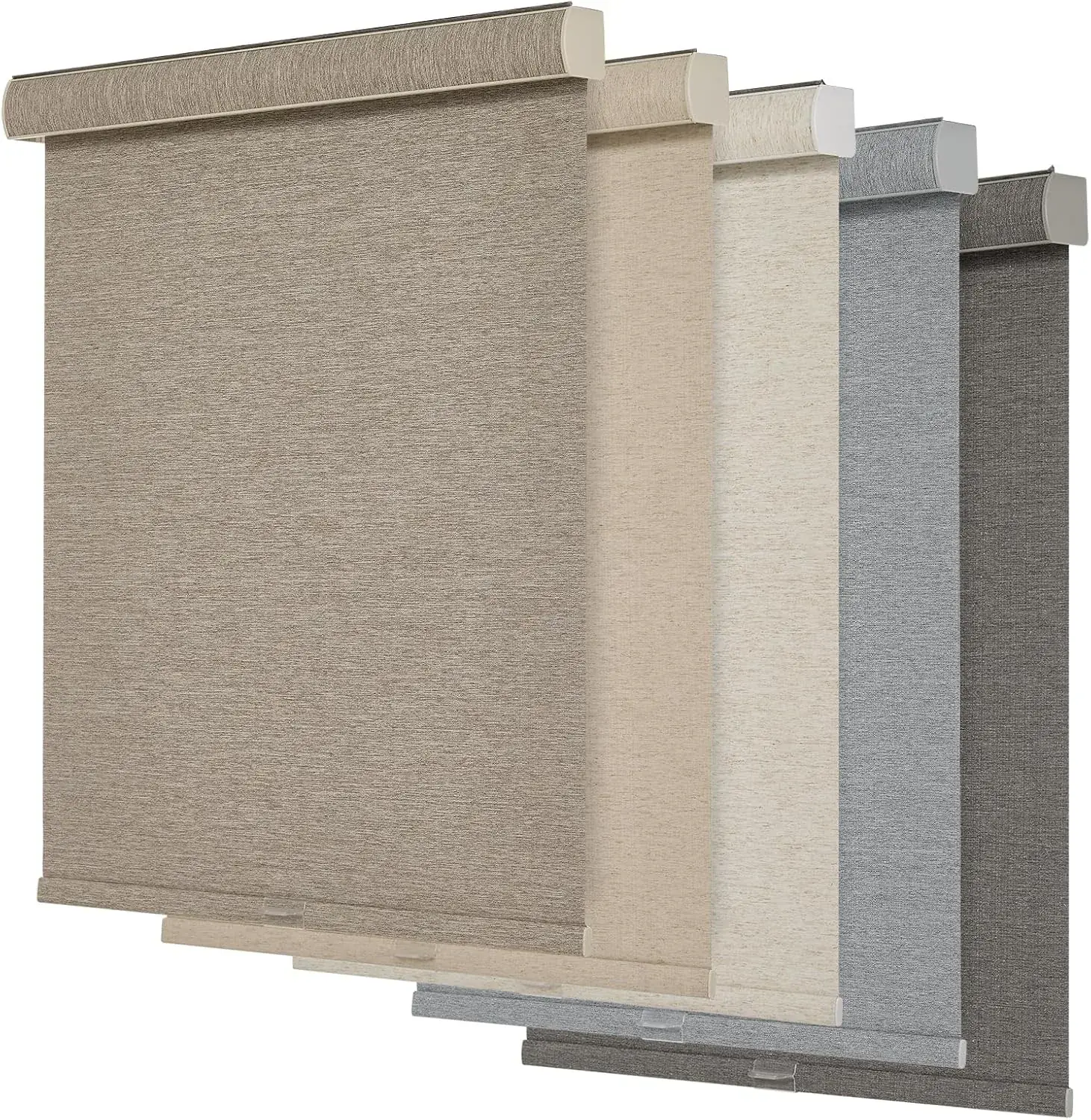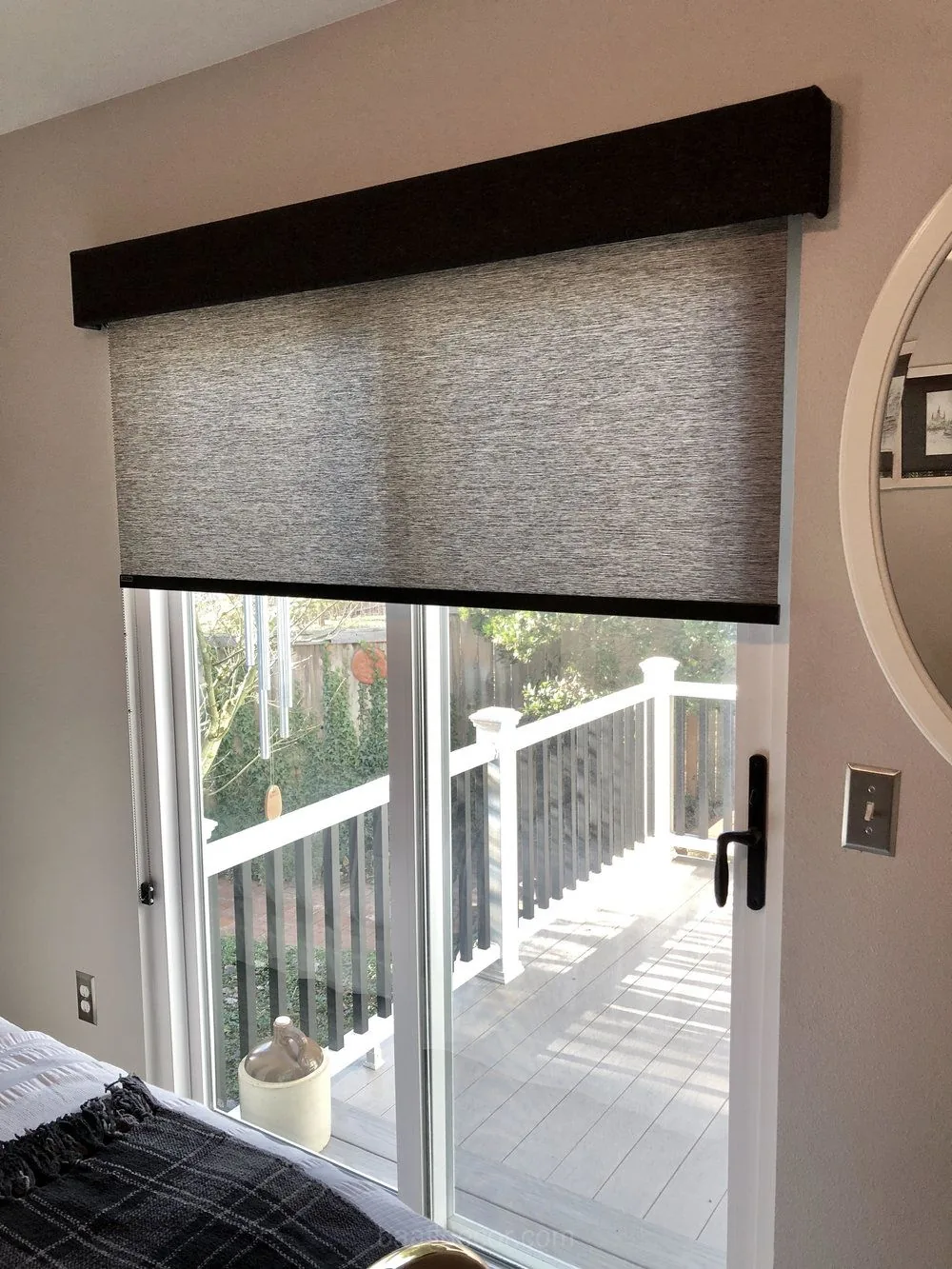
A balcony blind is an outdoor product. Most of the problems we see come from treating it like an indoor one. In a single Hyderabad year it takes 40 °C sun, June to September rain, pre-monsoon squalls and a steady film of dust. When we fit balcony blinds in Hyderabad, we pick the type around whichever of those hits your balcony hardest. The look comes second.
This guide covers the outdoor side only. For indoor blinds on the windows and the sliding door behind the balcony, the window blinds buying guide for Hyderabad homes goes room by room.
What should you decide before choosing a balcony blind?
Answer these five and the choice usually makes itself:
- Which way does it face? West- and south-facing balconies take the harshest afternoon sun. North-facing ones mostly need privacy and rain cover.
- Is it covered? A balcony recessed under the slab above stays drier than one that projects out in the open.
- How high is it? Wind gets stronger with height. On upper floors of a tower, wind control often matters more than the fabric.
- Do you need privacy at night? If your balcony faces another tower, see-through fabrics won’t be enough after dark.
- What will your association allow? Many gated communities restrict colours or visible fittings.
Balcony blind options compared
| Type | Sun and glare | Rain | Wind | Night privacy | Upkeep | Best for |
|---|---|---|---|---|---|---|
| Outdoor roller (sunscreen fabric) | Very good | Fair | Fair, good with guide cables | Low to medium | Rinse and dry | Sunny open balconies |
| PVC chick | Good | Good | Fair, needs tie-downs | Low | Hose down | Budget, all-weather |
| Bamboo chick | Fair | Poor | Fair | Low | Keep dry | Covered sit-outs |
| Clear PVC monsoon | Poor | Very good | Fair | None | Wipe | Keeping rain out |
| Zip-track | Very good | Good | Best | Medium to high | Low | High floors, premium |
1. Outdoor roller blinds
An outdoor roller is a roller blind built for weather: a sunscreen fabric (usually PVC-coated polyester or fibreglass) on a corrosion-resistant tube and brackets. Like indoor sunscreen fabric, it’s sold by openness factor. Lower openness blocks more sun and gives more privacy. Higher openness keeps more view and lets more air through.
For a sunny open balcony you actually sit on, it’s the most practical choice. Dark colours give a clearer view out; light colours reflect more heat. If the balcony catches wind, add tie-downs or side guide cables.
2. PVC chick blinds
PVC chicks look like the traditional chick blind but are made of PVC strips or rods. They don’t rot or soak up water, and you can hose them down. That makes them the low-cost workhorse for utility balconies and sit-outs.
They filter light rather than block it. They roll up by cord, which is fine for a blind you lower once a day and leave. Cheaper PVC can fade and go stiff after several summers in direct sun.
3. Bamboo chick blinds
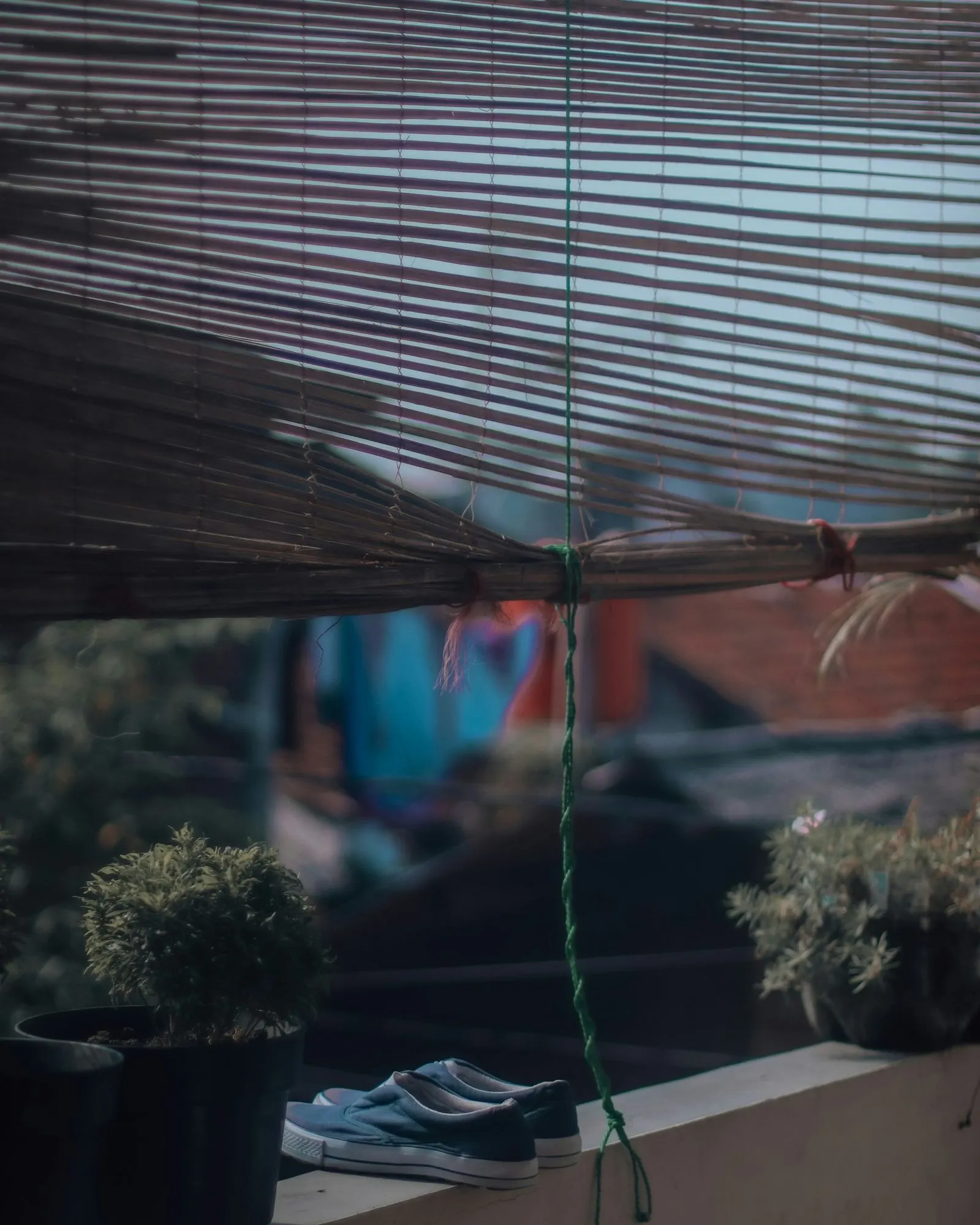
Bamboo gives the warmest look and a nice dappled shade. Keep it to covered balconies and sit-outs that stay mostly dry. On an open balcony, repeated soaking brings mould, dark stains and rotting strings. If you really want bamboo there, roll it up in storms and let it dry fully before leaving it rolled for long.
4. Clear PVC monsoon blinds
A clear PVC sheet that rolls down to keep rain off the balcony while you still see out. Want to use the balcony right through the monsoon? This is the one that does it.
Two catches. It gives zero privacy. And in summer, a sealed clear sheet traps heat like a greenhouse, so roll it up once the rains end.
5. Zip-track blinds
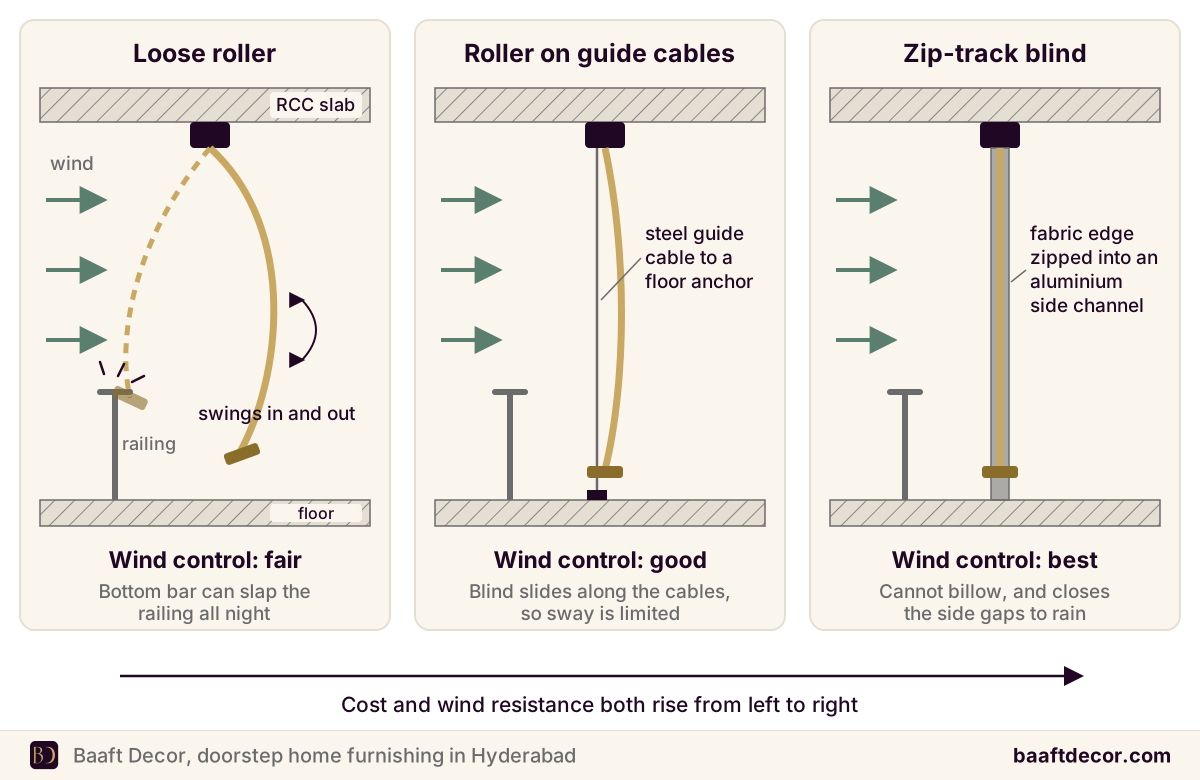
Zip-track (or side-channel) blinds have a zip-like edge sewn along each side of the fabric that runs inside an aluminium channel. The fabric can’t billow out, so it handles wind far better than any loose blind, and it closes the side gaps against rain and light. They cost the most and are often motorised, but on exposed high floors they’re the option that lasts.
Wind is the deciding factor on high floors
On the upper floors of towers in Kokapet, Financial District and Narsingi, a loose blind can slap the railing all night and tear within a season. The fixes, from cheapest to best:
- Tie-down hooks or cleats at the railing or floor to hold the bottom bar.
- A heavier bottom bar that resists lifting.
- Stainless steel guide cables down each side, which the blind slides along.
- Zip-track side channels, which lock the fabric edges completely.
Even with all of these, roll blinds up when a strong storm is forecast. Our guide to high-rise apartment window solutions covers wind and heat on high floors in more detail.
Rain, damp and dust
Water that pools in the bottom pocket of a rolled blind is how mildew starts. After rain, lower the blind fully and let it dry before rolling it up. Rinse dust off PVC and outdoor fabrics every few weeks with plain water and a soft brush; harsh detergents can strip coatings. And check that water running off the blind drains away rather than collecting against the wall.
How should balcony blinds be fixed?
Fixing matters as much as fabric. An outdoor blind carries wind load that an indoor blind never sees.
Fix into concrete, not cladding. The best anchor point is the RCC slab soffit above the balcony or the RCC beam across the opening. Brick and AAC block side walls can work with the right anchors. Decorative cladding, ACP panels and false ceilings on the balcony can’t hold a blind in wind.
Keep it off the railing and glass. Aluminium railings and glass balustrades aren’t designed to take the pull of a blind. Tie-downs can go to a floor cleat or a solid part of the railing post, but the blind itself should hang from the structure above.
Inside or outside the opening. Mounting inside the balcony opening keeps the blind protected and usually satisfies facade rules. Mounting outside covers more, but exposes the blind to rain and is more likely to need association approval.
Use rust-free hardware. Mild steel screws and brackets leave orange streaks on the wall after one monsoon. Stainless steel fasteners and powder-coated aluminium brackets avoid this.
Leave a gap at the bottom. A blind that rests on the floor sits in standing water after rain. Stopping it slightly short, with tie-downs taking the load, keeps the bottom bar dry.
Check your association’s rules first
Most Hyderabad gated communities care about a uniform facade, and the association has the final word. Some allow only specific colours, ask that blinds sit inside the balcony opening, or want approval before anything is fixed to the exterior. Neutral greys, beiges and whites rarely get objections. Our guide to gated community interior rules lists the common restrictions.
Blinds aren’t a safety barrier
A blind rolls up for most of the day and leaves gaps at the sides, so it won’t keep out children’s hands, pets, pigeons or mosquitoes. If you need fall protection, look at invisible grills for balconies. For insects, fit mosquito mesh on the balcony door or opening. Each does its own job, and many balconies end up with all three.
Our picks by balcony type
- Open, west-facing balcony, low or mid floor: outdoor sunscreen roller with tie-downs.
- High-rise balcony that catches wind: zip-track, or rollers on guide cables.
- Covered sit-out: bamboo or PVC chick.
- Utility balcony: PVC chick, for low cost and easy hosing.
- Balcony you want to use through the monsoon: clear PVC monsoon blind, plus an outdoor roller for summer.
- Bedroom balcony facing another tower: low-openness outdoor fabric, plus a blind on the balcony door. Our guide to the types of window blinds covers the indoor side.
For how outdoor blinds are priced compared with indoor ones, see our window blinds cost guide.
Get your balcony measured
Book a free home visit. We’ll check the sun, wind and fixing surfaces on your balcony, bring outdoor fabric and PVC samples, and give you a written quote. We work across Hyderabad from 8 AM to 10 PM, all seven days. WhatsApp or call +91 98499 17494.
Frequently asked questions
Which blinds are best for a balcony?
The best blinds for a balcony depend on exposure. For sun and glare, an outdoor roller blind in sunscreen fabric is the best all-rounder. For a low-cost, weatherproof option, PVC chick blinds work well. For heavy monsoon rain, clear PVC monsoon blinds keep water out. For covered sit-outs, bamboo blinds give a natural look. For high-rise balconies with strong wind, zip-track blinds, whose fabric edges run inside side channels, are the most stable. Many Hyderabad balconies combine two of these.
Are PVC blinds good for balconies?
Yes, PVC blinds are good for balconies because PVC does not absorb water, does not rot, and can be hosed or wiped clean. PVC chick blinds are one of the most affordable outdoor options and handle the monsoon better than bamboo. Their limits are that they filter rather than block light, give limited privacy at night with lights on, and can fade or stiffen after years of direct sun. On windy high floors, they need tie-down hooks or guide cables so they do not flap against the railing.
Are bamboo blinds good for balconies in the monsoon?
Bamboo blinds can be used on balconies in the monsoon only if the balcony is covered and the blind is protected from direct rain. Bamboo is a natural material, so repeated soaking without drying properly can lead to mould, dark staining and weakening of the strings. If your balcony gets driving rain, roll bamboo blinds up during storms and let them dry fully before rolling them up for long periods. For open balconies exposed to rain, PVC chick or outdoor roller blinds are more durable choices.
Can balcony blinds stop rain from coming in?
Most balcony blinds reduce rain but do not stop it completely. Clear PVC monsoon blinds are the most effective at keeping rain out because they are a solid waterproof sheet, and zip-track blinds with solid PVC fabric seal the sides as well. Outdoor roller fabrics, PVC chicks and bamboo blinds let some water through or around the edges, especially in wind. To keep a balcony truly dry in heavy monsoon rain, choose a solid PVC or zip-track system and make sure the floor drains properly.
How do you stop balcony blinds from flapping in the wind?
To stop balcony blinds from flapping in the wind, the bottom of the blind must be held in place. The common fixes are tie-down hooks or cleats at floor or railing level, stainless steel guide cables running down each side, a heavier weighted bottom bar, or a zip-track system that locks the fabric edges into side channels. On high floors in Hyderabad's pre-monsoon storms, even well-fixed blinds should be rolled up when strong wind is forecast, to protect the fabric and the brackets.
Are balcony blinds allowed in gated communities?
Many gated communities in Hyderabad allow balcony blinds, but some associations set rules on colour, type or placement to keep the building facade uniform. Common restrictions include neutral colours only, no blinds projecting beyond the balcony line, or approval before installing anything visible from outside. Rules differ between communities, so check your association's bylaws or ask the facility manager before ordering. Choosing a neutral grey, beige or white fabric and fixing the blind inside the balcony opening usually avoids objections.
Do balcony blinds give privacy at night?
Most balcony blinds give good privacy during the day but much less at night. Sunscreen roller fabrics, PVC chicks and bamboo blinds are see-through to some degree, so when lights are on inside, people outside can see movement and silhouettes. Clear monsoon blinds give no privacy at all. For night-time privacy on a balcony that faces another building, choose a solid or very low-openness outdoor fabric, or pair the outdoor blind with curtains or a blind on the balcony door.
Can balcony blinds keep out mosquitoes and pigeons?
No, balcony blinds are not designed to keep out mosquitoes or pigeons. Blinds are rolled up for much of the day and leave gaps at the edges, so insects and birds get in easily. For mosquitoes, fit mosquito mesh on the balcony door or the balcony opening itself. For pigeons, a separate bird net is the usual solution. For fall protection, especially with children, invisible grills or a proper railing are needed. Blinds handle sun, rain and privacy; they are not a barrier.