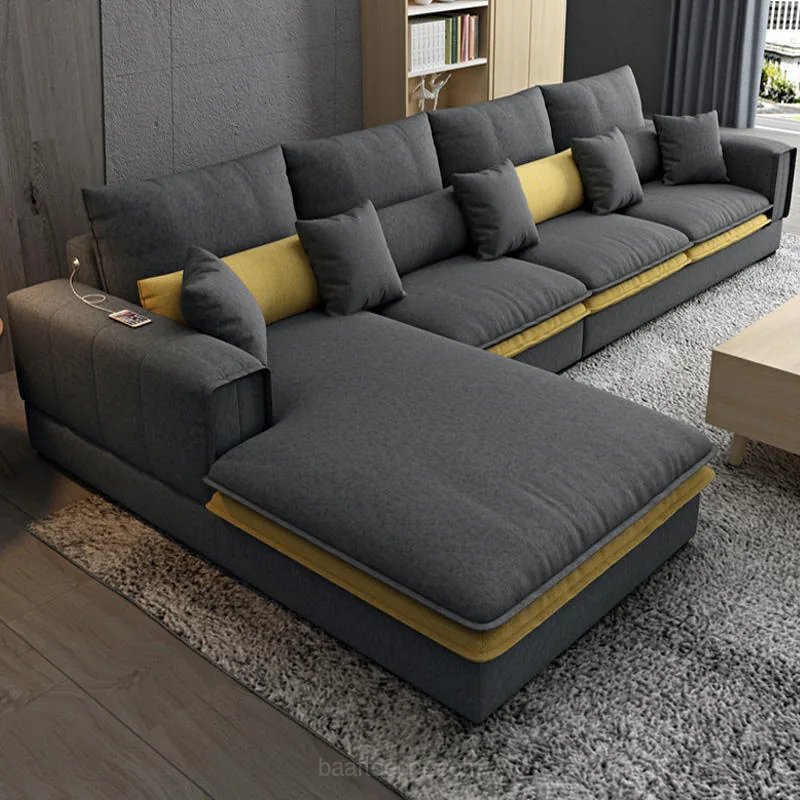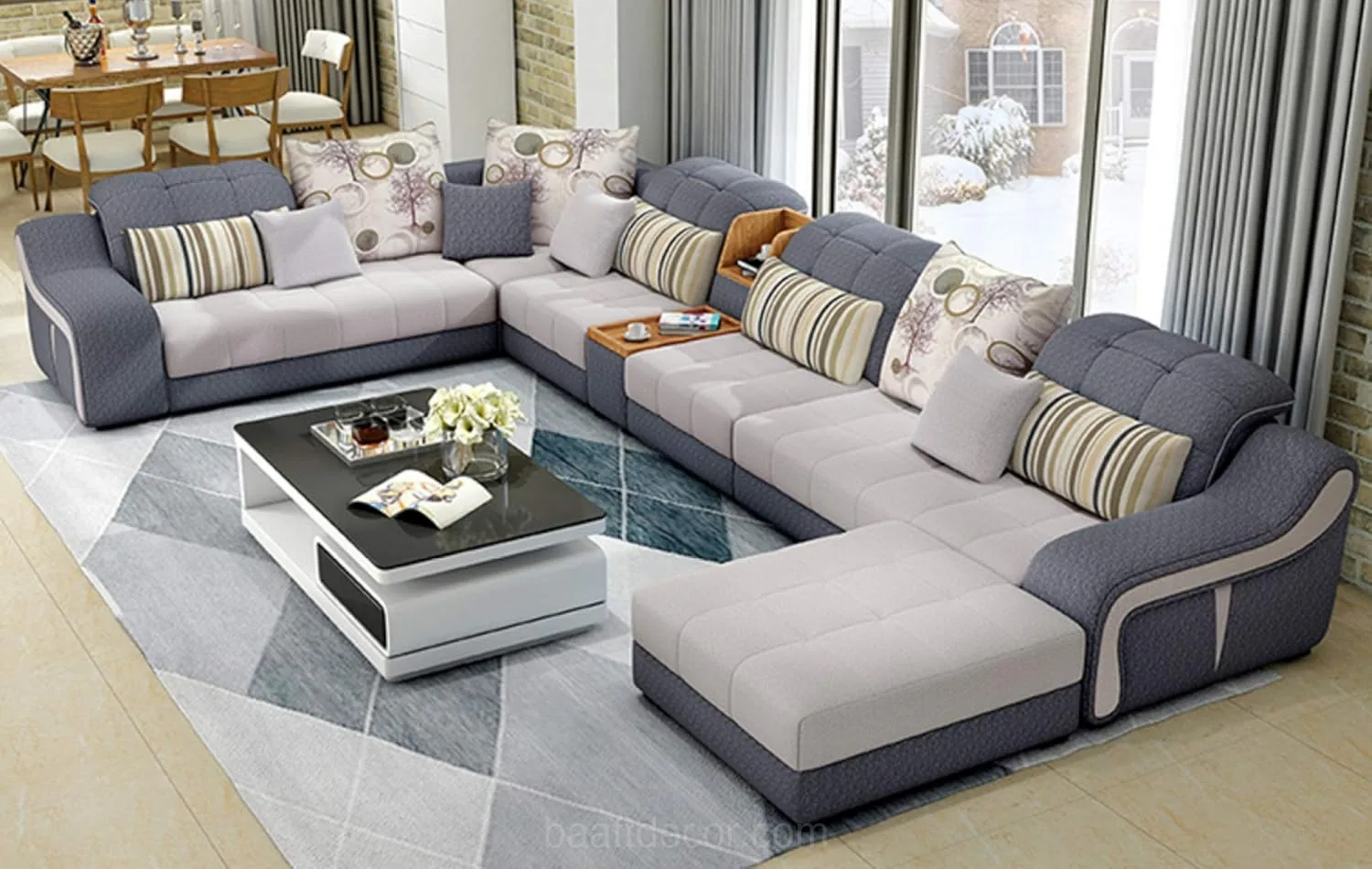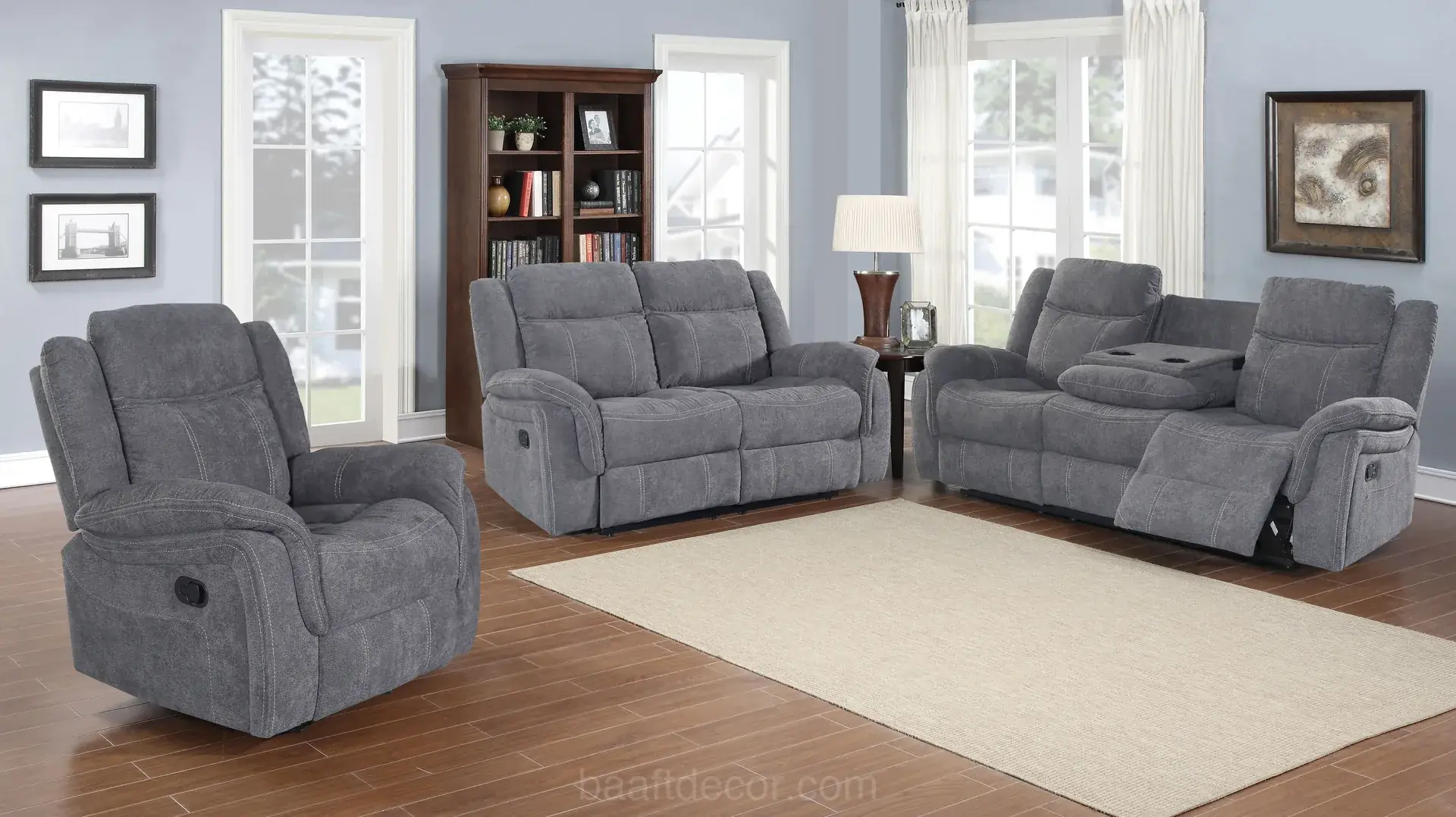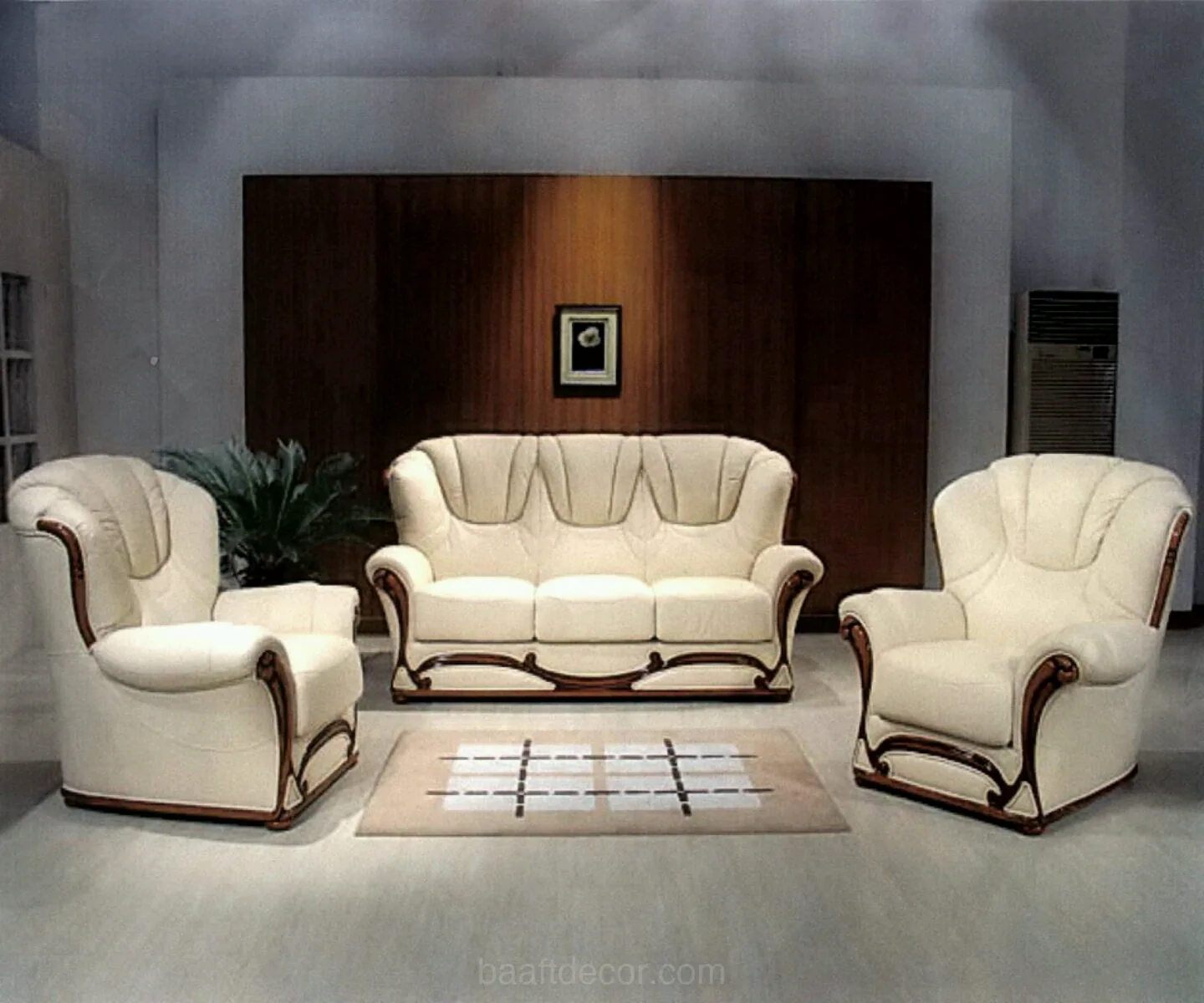
Your sofa seat has a dip where everyone sits, and you’re wondering whether it’s time for a new sofa. Usually it isn’t. New foam fixes most sagging seats, but only if it’s the right foam, and the difference between a good block and a cheap one is invisible once the cover is zipped shut. This guide explains the numbers, so you can ask for the right thing when you book sofa repair in Hyderabad or compare quotes.
Foam is one layer of the sofa. If you want the whole picture, from frame checks to fabric and covers, start with our sofa upholstery guide for Hyderabad homes.
The short answer: what foam to ask for
For a sofa used every day, ask for:
- Seat: 32 to 40 kg/m³ density, high-resilience (HR) foam if available, 4 to 6 inches thick, wrapped in polyester fibre.
- Back cushions: softer foam around 20 to 32 kg/m³, or fibre fill if they’re loose pillows.
- Arms: lower-density foam is fine, since arms carry little weight.
Write these numbers on the quote. “Good foam” means nothing; “40 density HR, 5 inch, fibre wrapped” does.
What does foam density actually mean?
Density is the weight of foam in one cubic metre, written as kg/m³. In Indian shops you’ll hear it as “28 density”, “32 density” or “40 density”. More material per cubic metre means stronger cell walls, which means the foam keeps its height and bounce for longer under daily sitting.
Here’s the part most people miss: density is not firmness. Firmness is a separate rating, called ILD or IFD (indentation load or force deflection). It’s the force needed to press a sample down by a set amount, usually quoted at 25%, under the ASTM D3574 test method. A manufacturer can make foam that’s high-density but soft, or low-density but firm. So a seat that feels firm in a shop can still be cheap, low-density foam that sags early.
Choose density first, for lifespan. Then choose firmness, for comfort.
Typical foam densities for each part of a sofa
| Sofa part | Typical density | Notes |
|---|---|---|
| Seat cushion, daily use | 32 to 40 kg/m³ | 40 for heavy use; HR foam lasts longest |
| Seat cushion, light use or guest room | 28 to 32 kg/m³ | Below 28 sags quickly under daily sitting |
| Back cushion (foam) | 20 to 32 kg/m³ | Doesn’t carry full body weight |
| Loose back pillows | Fibre fill | Can be refilled when flat |
| Arms and frame padding | Lower density | Little load; often wrapped with fibre |
| Sofa-cum-bed, daily sleeping | 30 to 35 kg/m³ or higher | Takes full body weight lying down |
These ranges match manufacturer guidance. Sheela Foam, one of India’s large foam makers, gives about 30 kg/m³ for a fixed sofa seat, 32 to 35 kg/m³ for heavy use and 20 to 25 kg/m³ for backrests, and recommends 32 to 40 kg/m³ for commercial seating. Sheela presents these as examples rather than an industry benchmark. We lean to the higher end for a main family sofa, because the extra life is worth it.
Types of sofa foam
Standard PU foam
Ordinary polyurethane foam. Fine for backs and arms. For seats, it needs to be in the 32+ range to last.
High-resilience (HR) foam
A PU foam with a more irregular cell structure that springs back faster and holds its shape longer. It feels livelier when you sit. It costs more than standard foam, and for daily-use seats it’s usually worth it. Still ask for the density in writing: “HR” on its own isn’t a number.
Memory foam
Viscoelastic foam that softens with body heat and recovers slowly. As a full seat core it can feel like sinking, and in a Hyderabad summer without AC it gets warm. It works better as a thin comfort layer over an HR base.
Rebonded foam
Scraps of foam bonded together under pressure. Very firm and heavy. Sometimes used as a base layer in floor seating or as a support layer, but too hard for most sofa seats on its own.
Polyester fibre wrap
Not foam, but important. A layer of bonded or loose polyester fibre wrapped around the foam rounds the edges, fills the cover, and gives the soft “crown” on top. Re-wrapping a sound foam core can freshen a cushion without full replacement.
How do you know your sofa foam needs replacing?
Check these, in order:
- The dip test. Sit for five minutes, stand, and look. A seat that stays dented has tired foam.
- The edge test. Press the front edge of the seat. If it collapses easily or you feel the frame, the foam has broken down.
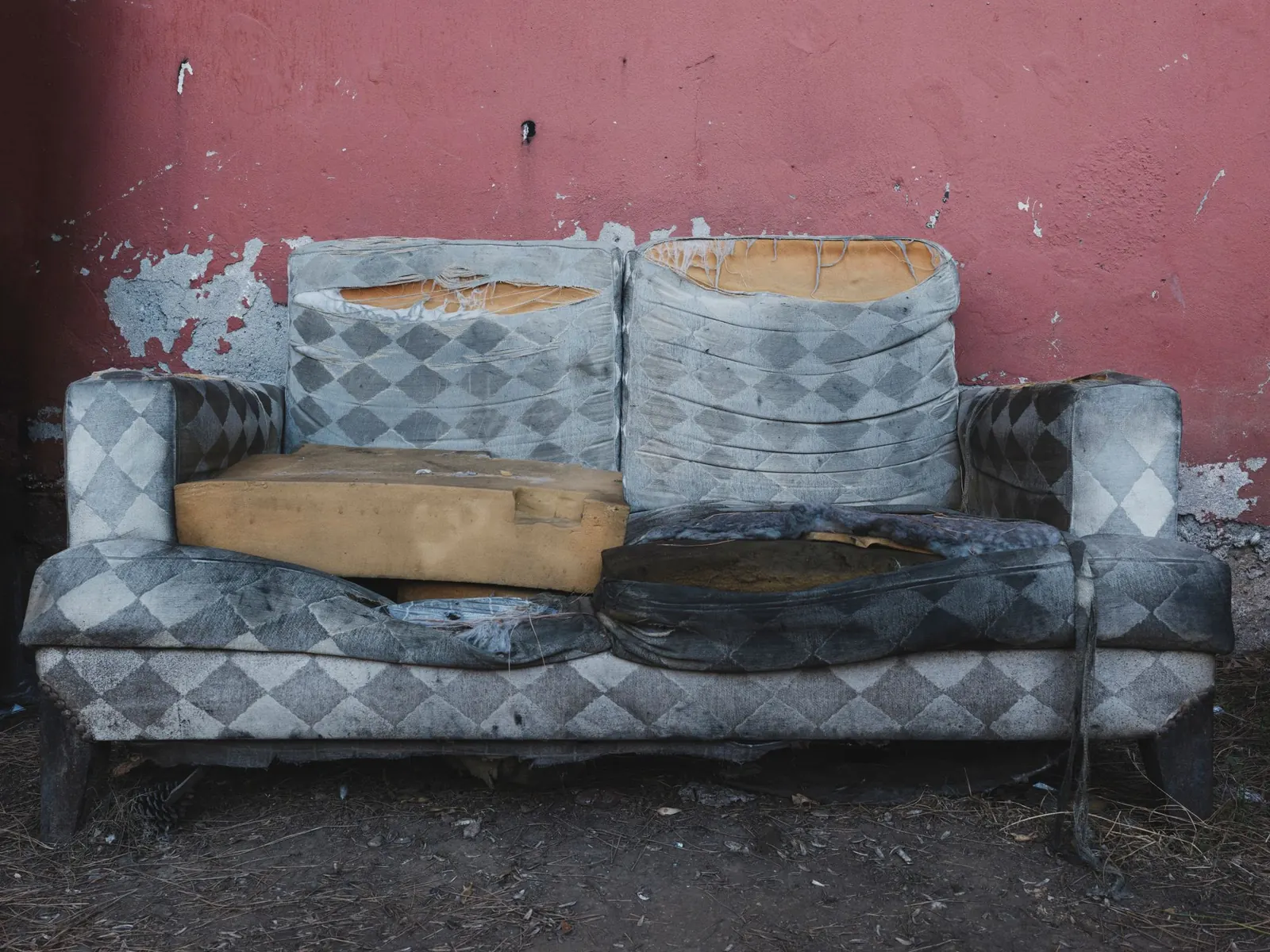
- The colour test. Unzip a cover if you can. Foam that has gone yellow-brown and crumbles at the corners has oxidised and is past its life.
- The base check. Lift the cushions and press the deck. If the dip is in the base, the elastic webbing or springs are slack, and new foam on a sagging base won’t fix it.
That last one catches a lot of people. Replacing foam over failed webbing gives you a new cushion that sinks into the same hole.
Cushion refilling vs foam replacement
“Sofa cushion refilling” usually means one of two jobs:
- Fibre top-up for loose back cushions and scatter pillows that have gone flat. Quick and inexpensive. The cover is opened, fibre is fluffed and added, then closed.
- Foam replacement for seat cushions or fixed seats. New blocks are cut to size, wrapped in fibre and fitted.
Adding fibre to a seat cushion with a failed foam core doesn’t last; the sag comes from the foam itself.
Choosing firmness for the people who use the sofa
Once density is settled, firmness is personal, but a few patterns hold:
- Elderly parents do better on a firmer seat. Getting up from a soft, deep seat is hard on the knees, so ask for a firm HR base and keep the seat height at or slightly above the original.
- People who lounge or nap on the sofa usually prefer a medium-firm core with a softer top: a thin comfort layer or a thicker fibre wrap over the same dense base.
- Children who jump on the sofa (all of them) wear foam fastest at the front edge. The higher density end, 40 kg/m³, pays off here.
- Mixed households often split it: firmer foam in the seats one parent always uses, medium in the rest, all in the same density so they age evenly.
If you can, sit on sample blocks before cutting. A sample on your own sofa frame tells you more than any number.
How to check foam density yourself
You don’t need a lab. Weigh a piece of known size. Density = weight ÷ volume.
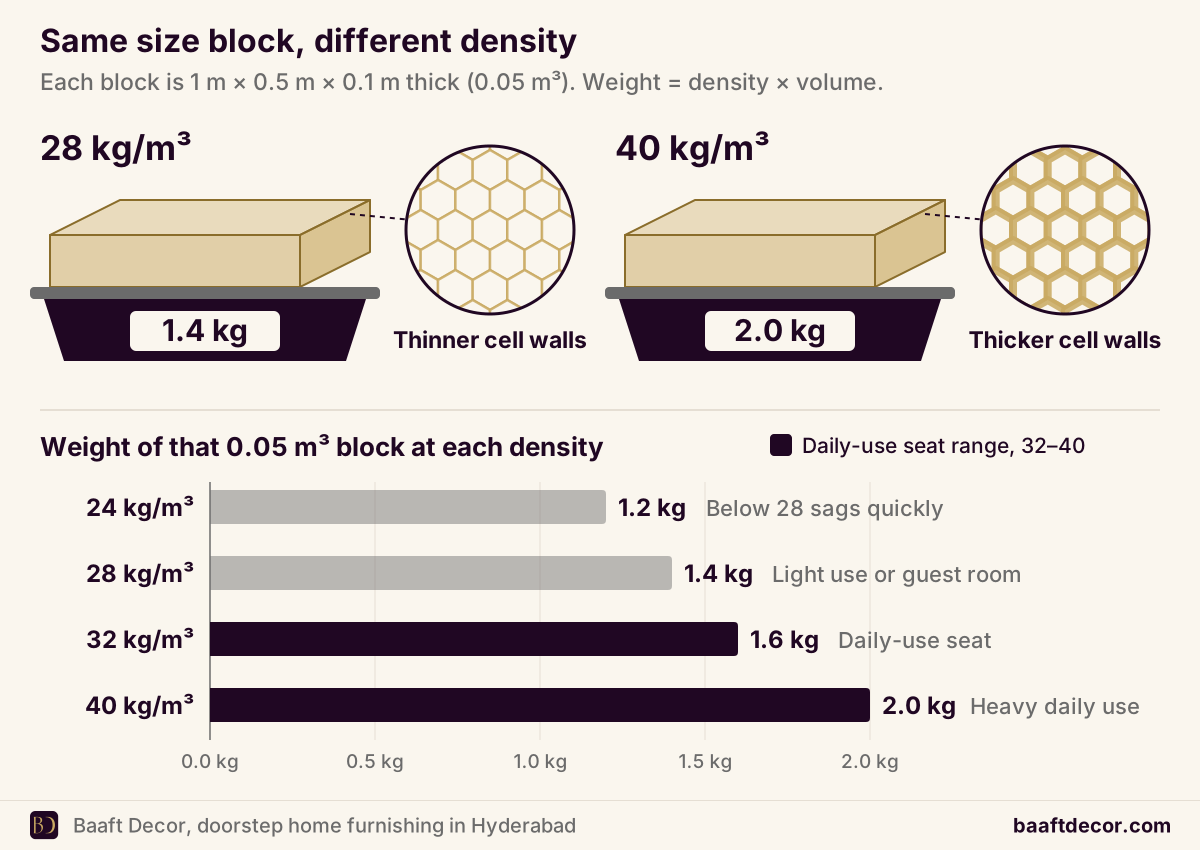
Take a block 1 m long, 0.5 m wide and 0.1 m (about 4 inches) thick. Its volume is 1 × 0.5 × 0.1 = 0.05 m³. At 32 kg/m³ it should weigh about 1.6 kg; at 40 kg/m³, about 2 kg. A block of that size weighing 1.2 kg is around 24 kg/m³, whatever the label says. With new foam, ask for the brand and stated density on the invoice.
Foam and the Hyderabad climate
Two things matter locally. Summer heat makes dense memory foam feel warm, which is another reason to keep it as a thin layer. And during the monsoon, foam inside a closed cover in a shut flat can hold moisture and smell musty, so zipped covers that let you air the foam on a dry day are worth asking for. If you are replacing foam as part of a bigger job, our sofa reupholstery cost guide shows how foam fits into the full quote, and reupholster or buy a new sofa helps if you are unsure the sofa is worth the work. Recliner seats use the same foam logic, though the footrest and mechanism are a separate job; our guide to common recliner problems covers those, and recliner repair handles them at home.
For a firm answer on your own sofa, book a free home visit: we’ll check the foam, the webbing and the frame, tell you what actually needs replacing, and quote with the foam density and thickness written on it. Call or WhatsApp +91 98499 17494, 8 AM to 10 PM, every day.
Frequently asked questions
What foam density is best for sofa seats?
The best foam density for sofa seats used every day is 32 to 40 kg/m³, with 40 preferred for heavy use or heavier family members. Seat foam below about 28 kg/m³ softens and develops a permanent dip much sooner under daily sitting. High-resilience (HR) foam in this range recovers its shape quickly and lasts longer than standard foam of the same density. Remember that density predicts durability, not firmness, so ask for the firmness you like separately, and test a sample if possible.
What is the difference between foam density and firmness?
Foam density is the weight of foam per cubic metre, written as kg/m³, and it mainly predicts how long the foam will last before it softens and sags. Firmness, measured as ILD or IFD, is the force needed to press the foam down by a set percentage, and it decides how hard or soft the seat feels. The two are independent: manufacturers can make high-density foam that feels soft or low-density foam that feels firm. A good sofa seat is high density with the firmness you prefer.
When should sofa foam be replaced?
Sofa foam should be replaced when the seat keeps a dip after you stand up, when you can feel the frame or webbing through the cushion, when the cushion has lost noticeable height, or when the foam has turned yellow-brown and crumbles at the edges. Lumpy, uneven seats are another sign. If the dip is in the base rather than the cushion, the elastic webbing or springs may be the real problem, so check under the cushions before replacing the foam itself.
Is sofa cushion refilling the same as foam replacement?
Sofa cushion refilling and foam replacement are different jobs. Refilling usually means topping up loose polyester fibre in back cushions or pillows that have gone flat, which restores their loft without changing the core. Foam replacement means cutting new foam blocks for seat cushions or fixed seats, usually wrapped in fibre and fitted back into the cover. Seat cushions with a foam core rarely benefit from just adding fibre, because the sag comes from the foam itself losing its structure.
Is memory foam good for sofa seats?
Memory foam is not usually the best choice as the main core of a sofa seat. It softens with body heat and recovers slowly, so seats can feel like you are sinking, and in a Hyderabad summer without AC it can feel warm. It works better as a thin comfort layer of an inch or so over a high-resilience foam base, which gives a soft top feel with proper support underneath. For most family sofas, a good HR foam seat with a fibre wrap is the more practical option.
How thick should sofa seat foam be?
Sofa seat foam is commonly 4 to 6 inches thick, which is about 100 to 150 mm, depending on the sofa's design and seat height. Thickness alone does not make a seat comfortable or long-lasting, because a thick block of low-density foam sags faster than a thinner block of high-density foam. When replacing foam, keep the original thickness so the seat height and cushion fit stay the same, unless the sofa always felt too low or too high, in which case adjust it slightly.
How can I check the density of my sofa foam?
You can check sofa foam density by weighing a piece of known size. Measure the length, width and thickness in metres, multiply them to get the volume, then divide the weight in kilograms by that volume. For example, a block of 1 m by 0.5 m by 0.1 m has a volume of 0.05 cubic metres, so if it weighs 2 kg the density is 40 kg/m³. For new foam, ask for the brand and stated density in writing on the invoice.