A sofa usually fails from the outside in. The fabric fades or tears, the seat foam goes flat, the webbing underneath sags. The frame, which is the expensive part, is often still fine. So before you shop, work out whether you’re replacing a sofa or just its worn layers. If the frame passes the checks below, sofa upholstery in Hyderabad gives you back a shape you already know fits your living room.
Below is the decision the way we make it on a home visit, frame first. It’s one chapter of our sofa upholstery guide for Hyderabad homes, which also covers fabric, foam, recliners and covers.
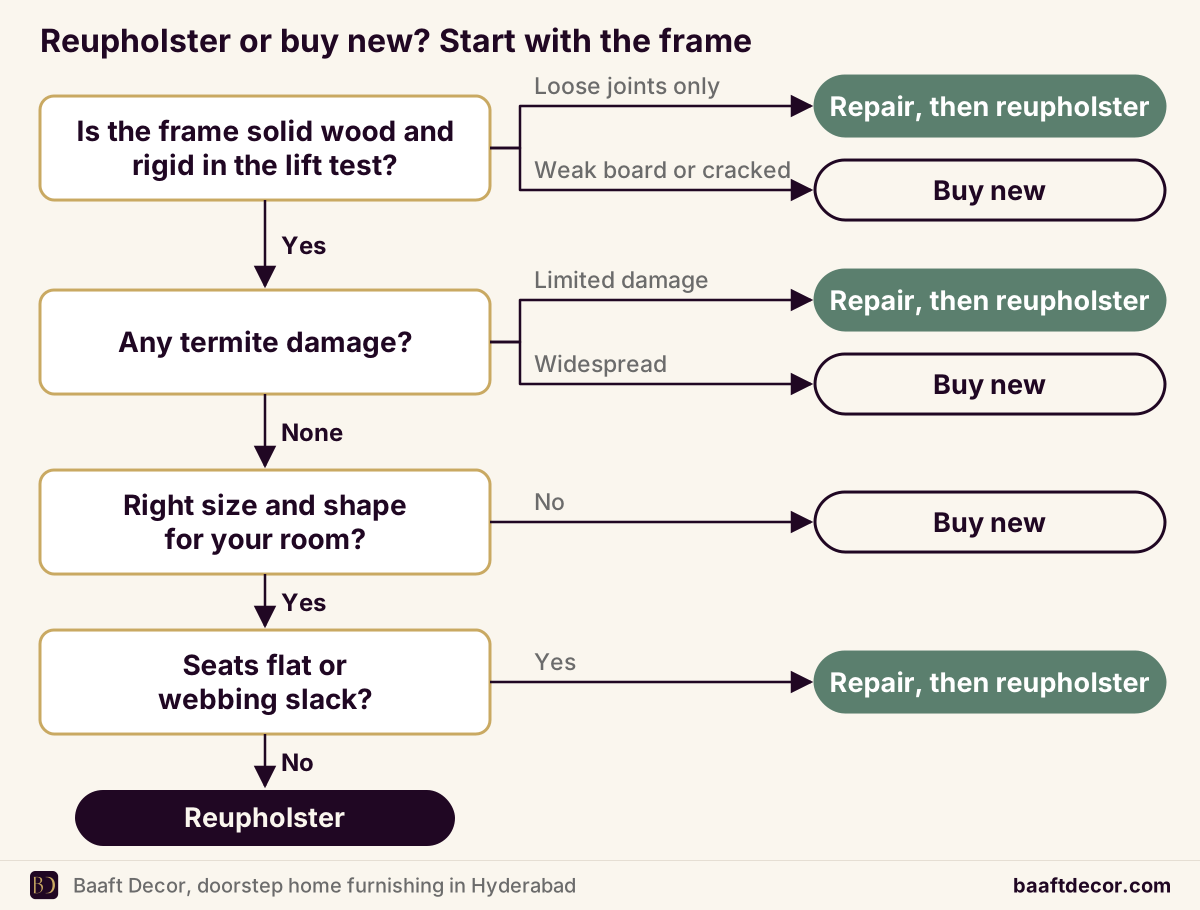
Reupholster or buy new: the quick verdict
Reupholster if the frame is solid hardwood, stays rigid when you lift one corner, has no cracks or termite damage, and you still like the sofa’s size and design.
Buy new if the frame is particle board or MDF that has swollen or split, the main rails are cracked or hollowed out by termites, or you need a different size or configuration.
Everything else (faded fabric, flat cushions, a sagging seat, a broken spring) is repairable.
Step 1: Check the frame
The frame is the skeleton. Fabric and foam are replaceable; a weak frame isn’t worth dressing up.
The lift test
Lift one front corner of the sofa about 10 to 15 cm off the floor. On a rigid frame, the other front leg rises with it almost immediately. If the corner lifts while the other leg stays planted, or you hear creaking at the joints, the frame is flexing. That can mean loose joints (fixable) or weak material (not worth fixing).
Look at what it’s made of
Unzip a seat cushion or look under the sofa where the dust cloth is stapled.
- Solid hardwood (teak, sal, sheesham, or well-seasoned local hardwood) shows grain and end-grain. This is the frame worth keeping.
- Plywood in good grades is acceptable when joints are glued and screwed, not just stapled.
- Particle board or MDF shows compressed chips or smooth uniform fibre. It sags under load and swells if water reaches it, as can happen with a monsoon leak or floor mopping.
Check for termites
Hyderabad homes, especially ground-floor flats and independent houses, see termite activity. Look for fine powder near the legs, mud tubes along the floor or wall behind the sofa, and wood that sounds hollow when tapped. Limited damage can sometimes be cut out and rebuilt. Widespread damage means the frame is done.
Step 2: Check what’s under the cushions
Lift the seat cushions and press down on the deck.
- Elastic webbing that feels slack or has snapped strands can be replaced on the existing frame.
- Zig-zag (serpentine) springs that have come loose from their clips can be re-clipped; a broken spring can be replaced.
- Seat foam that keeps a dip, has gone yellow and crumbly, or lets you feel the frame needs replacing. Ask for the density in writing: 32 to 40 kg/m³ for seats used every day.
None of these is a reason to throw out a good sofa. They’re routine sofa repair jobs, and it makes sense to do them with the reupholstery, while the sofa is already stripped.
Is it worth reupholstering a 20 year old sofa?
Often, yes. Plenty of sofas from the 1990s and 2000s were built heavier than today’s flat-pack sets, on solid wood frames with proper joinery. If yours passes the lift test and shows no termite damage, new foam and fabric will make it feel close to new.
You’ll often see a sofa’s lifespan put at 7 to 15 years. That figure is really about fabric and foam. A good frame outlasts both several times over.
Compare costs like for like
The easy mistake is to hold a reupholstery quote up against the cheapest sofa on a sale page. That sofa is cheap for a reason: usually a particle board frame and low-density foam, and it will sag sooner.
Compare your reupholstery quote with a new sofa that has:
- A solid hardwood frame
- Seat foam of similar density (32 to 40 kg/m³ for daily use)
- A fabric of similar grade and rub count
Our breakdown of sofa reupholstery cost lists every line a proper quote should carry, so you can put the two side by side.
| Situation | Best option | Why |
|---|---|---|
| Solid frame, faded or torn fabric | Reupholster | Frame is the costly part; fabric is replaceable |
| Solid frame, flat seats, slack webbing | Repair + reupholster | Foam and webbing are routine fixes |
| Loose joints, frame otherwise sound | Repair frame, then reupholster | Re-gluing and corner blocks restore rigidity |
| Particle board frame that has swollen | Buy new | Damaged board can’t hold new work |
| Widespread termite damage | Buy new | Structure is compromised |
| Sofa too big or small for new home | Buy new (or rework seats) | Reupholstery keeps the shape |
| Leatherette peeling, frame fine | Reupholster in fabric | Very common fix for PU covers |
What reupholstery can change, and what it can’t
Reupholstery changes more than the colour. Within the same frame, you can:
- Change the seat feel. Firmer or softer foam, a higher-density core, or a softer top layer under a fibre wrap.
- Change the look. New fabric and colour, added or removed piping, a skirt taken off for a cleaner modern line.
- Fix comfort niggles. A seat that was always too deep can be made more comfortable with a thicker back cushion; flat arms can be re-padded.
- Switch materials. A cracked leatherette sofa can be redone in a breathable woven fabric.
What it can’t do is change the footprint. Width, depth and arm height are set by the frame, so a sofa that’s too big for the room stays too big. A carpenter can cut down and rebuild a frame, but by then you’re close to the cost and effort of a new one.
The leatherette question
PU leatherette sets that have started peeling at the seat edges and arm tops are a familiar sight in Hyderabad living rooms. Heat, sweat and monsoon humidity break down the PU coating, while the frame underneath is often perfectly fine. That makes them some of the clearest reupholstery cases: strip the leatherette, check the foam, and redo the sofa in a woven fabric that stays cooler in summer. A tight polyester or poly-cotton weave suits that switch better than another round of leatherette.
When a new sofa is the right call
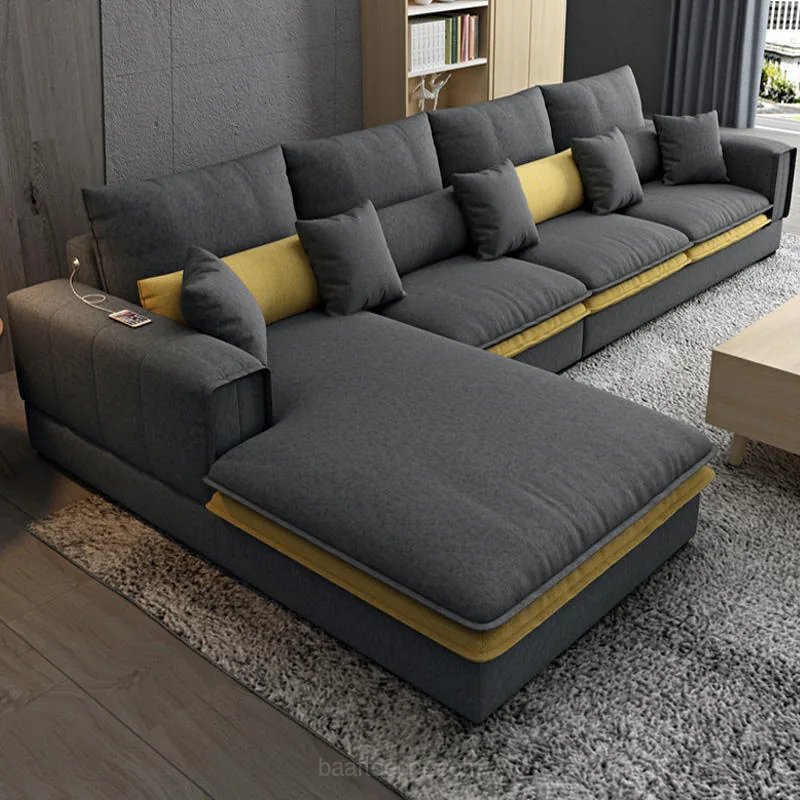
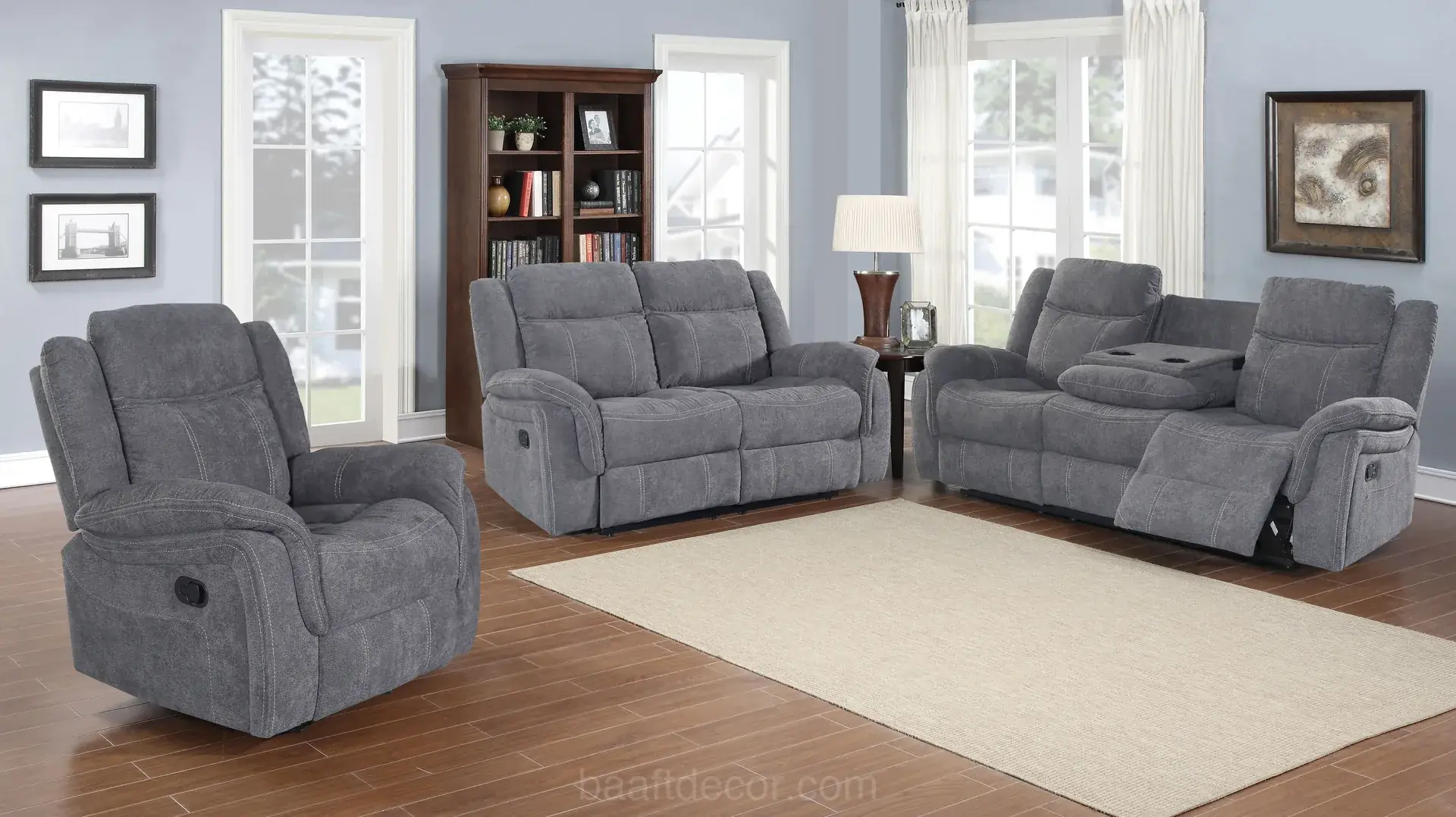
Sometimes it is. If you’ve moved from an independent house to a 2BHK in Kondapur and the old 3+2 set blocks the balcony door, no amount of new fabric fixes that. The same goes if you want a different configuration, because reupholstery keeps the existing shape. Planning an L-shape? Our L-shape sofa buying guide covers chaise side, depth and the corner seat. Want to put your feet up? The recliner sofa buying guide compares manual and power mechanisms. Both can be made to measure through our custom sofa makers service.
And if the sofa was bought cheap, the frame is board, and the seats sag again within a year of new foam, stop putting money into it.
A middle path: covers instead of full reupholstery
If the frame, foam and webbing are all fine and you only want a new colour, or protection from kids and pets, tailored covers are the lighter option. They don’t fix sagging, but they change the look and come off for washing. Sofa cover stitching starts with measuring every panel, so the cover sits like upholstery rather than a sheet.
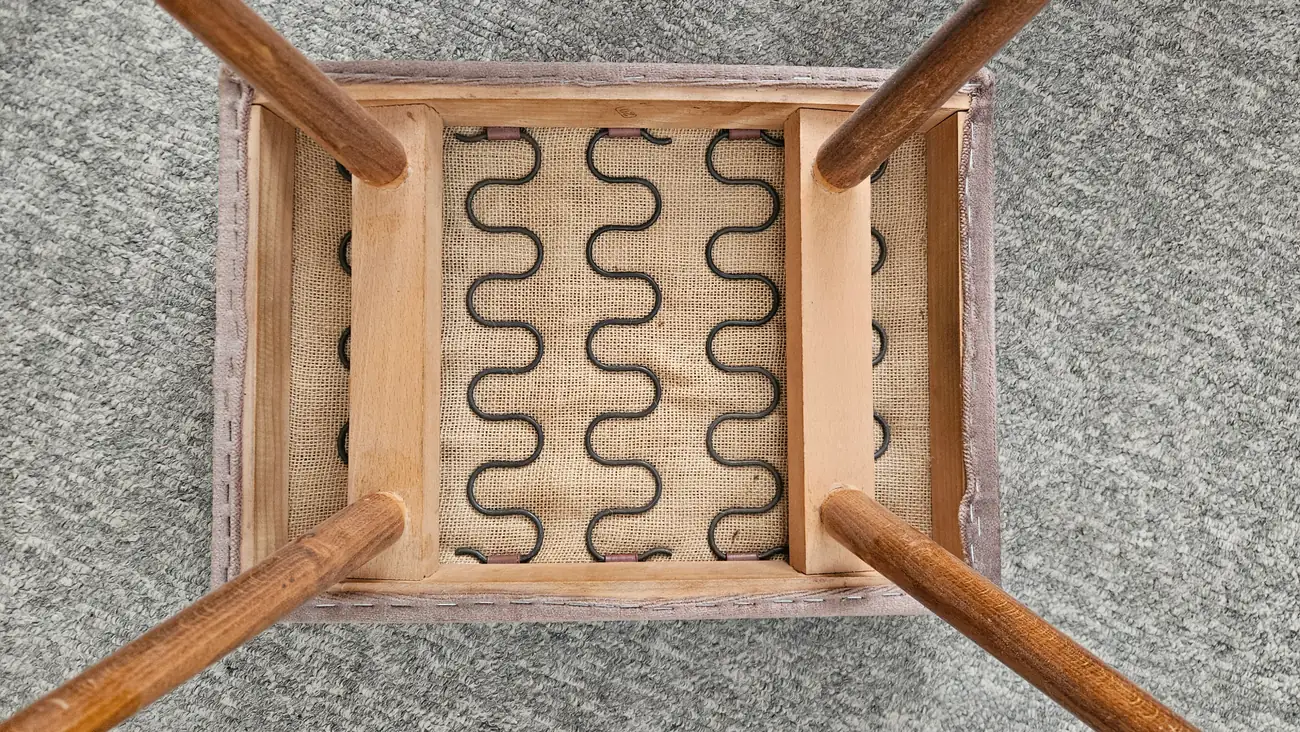
What happens at the home visit
We do the lift test, press the seats, look under the dust cloth and at the joints, and tell you plainly whether the sofa is worth saving. If it is, we show fabric samples, measure and give an itemised quote. If it isn’t, we’ll say so. Call or WhatsApp +91 98499 17494 between 8 AM and 10 PM, any day of the week, to book a free visit.
Frequently asked questions
Is it worth reupholstering a 20 year old sofa?
A 20 year old sofa is often worth reupholstering, because many older sofas were built on solid hardwood frames that outlast two or three sets of fabric. Check the frame first: lift one front corner a few inches, and if the other front leg rises with it without twisting or creaking, the frame is rigid. Look for cracks, loose joints and termite powder. If the frame is sound and you like the size and shape, new foam and fabric will give you a sofa that feels close to new.
Can my sofa be repaired instead of replaced?
Most sofa problems can be repaired rather than replaced. Sagging seats are usually tired foam or slack elastic webbing, both of which can be replaced. Torn or faded fabric can be changed through reupholstery. Loose arms, wobbly legs and broken springs can be fixed on a sound frame, and recliner mechanisms can often be repaired or swapped. The cases where replacement makes more sense are a cracked or termite-damaged frame, a frame made of swollen particle board, or a sofa that simply no longer suits your room.
What is the average lifespan of a sofa?
The average lifespan of a sofa is commonly put at around 7 to 15 years, depending on frame quality, foam density, fabric and how heavily it is used. The parts wear at different rates. Fabric and foam usually go first, often within 5 to 10 years of daily use, while a well-made hardwood frame can last decades. That gap is why reupholstery exists: replacing the fabric and foam on a good frame resets the parts that wear out and keeps the part that doesn't.
How do I check if my sofa frame is solid wood or particle board?
To check a sofa frame, unzip a cushion cover or look under the sofa where the dust cloth is stapled. Solid wood shows grain and end-grain at cut ends, while particle board shows compressed chips and MDF looks like smooth, uniform fibre. Lift one front corner: a solid, well-jointed frame stays rigid, while a weak one flexes or creaks. Weight is a clue too, since solid hardwood sofas feel heavy for their size. If you are unsure, an upholsterer can check it during a home visit.
Is reupholstering a sofa cheaper than buying new?
Reupholstering a sofa is usually cheaper than buying a new sofa of the same build quality, meaning a similar hardwood frame, high-density foam and good fabric. It is not always cheaper than the lowest-priced new sofa on sale, but that comparison is misleading, because budget sofas often use particle board frames and low-density foam that sag within a few years. Compare your reupholstery quote with a new sofa of matching construction, and factor in that you keep a size and shape you already know fits your room.
Should I reupholster a sofa with sentimental value even if the frame is weak?
A sofa with sentimental value can still be saved even if the frame is weak, but expect frame repair on top of reupholstery. Loose joints can be re-glued and reinforced with corner blocks, cracked rails can be replaced, and termite-damaged sections can sometimes be cut out and rebuilt in new wood if the damage is limited. Get the frame inspected with the old fabric off before committing, because the repair is only worth doing if the remaining structure is sound enough to hold the new work.
When should I definitely buy a new sofa?
Buy a new sofa when the frame is particle board or MDF that has swollen from water, when the main rails are cracked or eaten through by termites, or when the sofa no longer fits your room or how you live, for example after moving from a large independent house to a compact apartment. Buying new also makes sense if you want a different configuration, such as an L-shape or a recliner, because reupholstery keeps the existing shape and only changes the fabric, foam and finish.