Every guide in this series
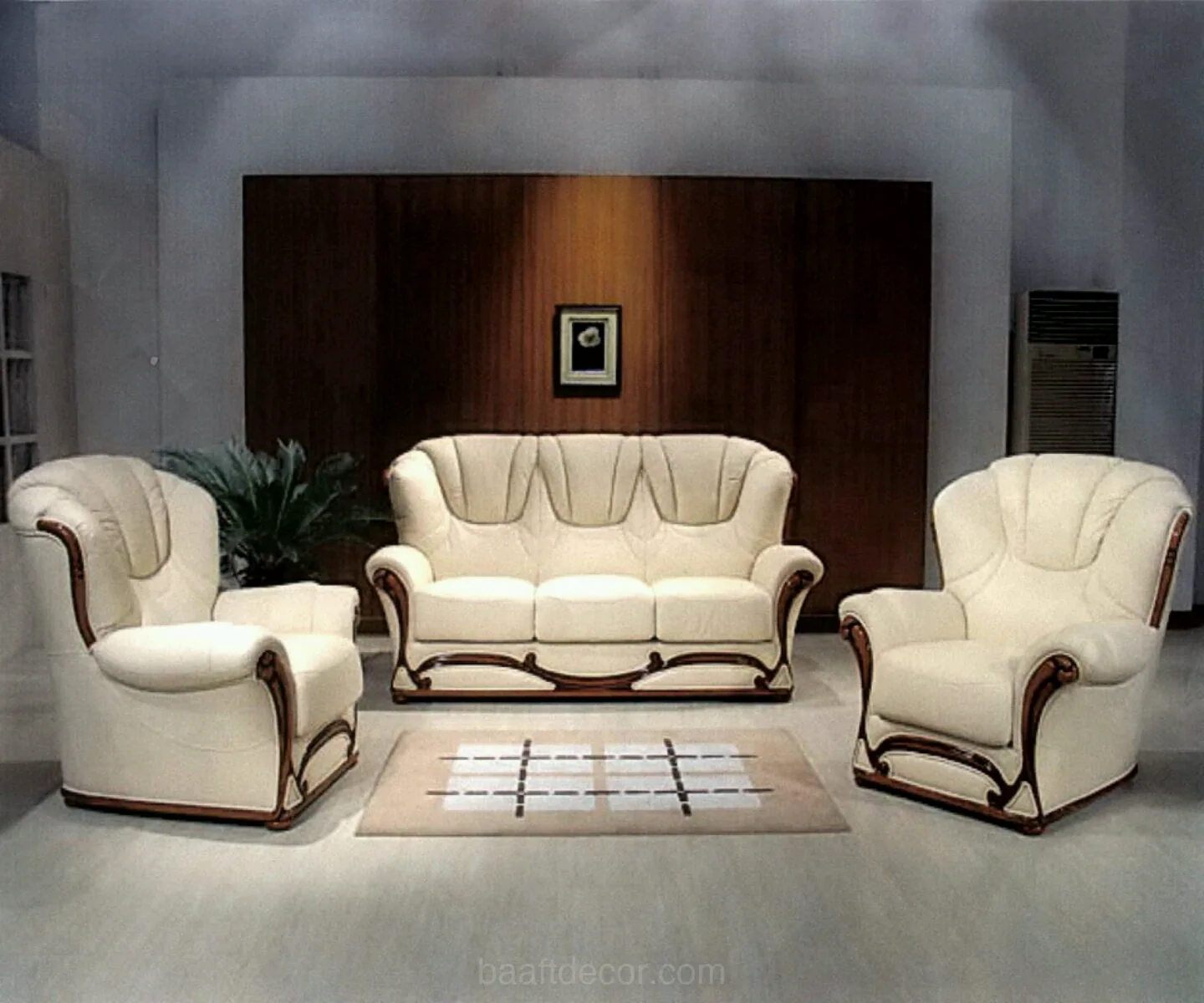 Sofa Reupholstery Cost in Hyderabad: What Drives the PriceSofa reupholstery cost in Hyderabad is set by how much fabric the sofa needs (roughly 10 metres for a fully covered three-seater), the fabric grade, whether foam is reused or replaced, labour for the style (piping, buttons, loose cushions) and any frame or spring repairs.
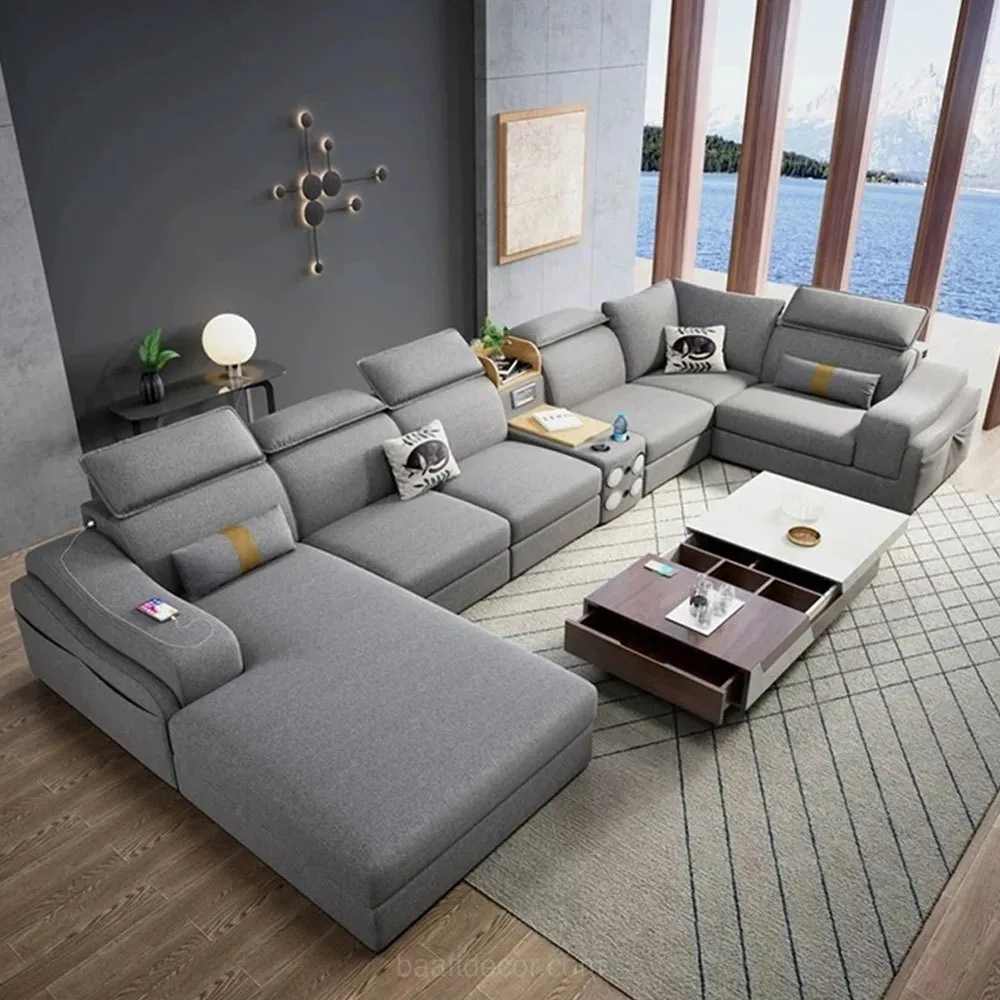 L-Shape Sofa Buying Guide: Size, Chaise Side, Comfort and DeliveryBefore buying an L shape sofa, measure both walls, the walkways and your lift.
 Recliner Sofa Buying Guide: Manual vs Motorised, Space, Mechanisms and CareChoose a motorised recliner sofa for daily TV use or for parents who want to stop at any angle, and a manual one for occasional use or where there's no socket nearby.
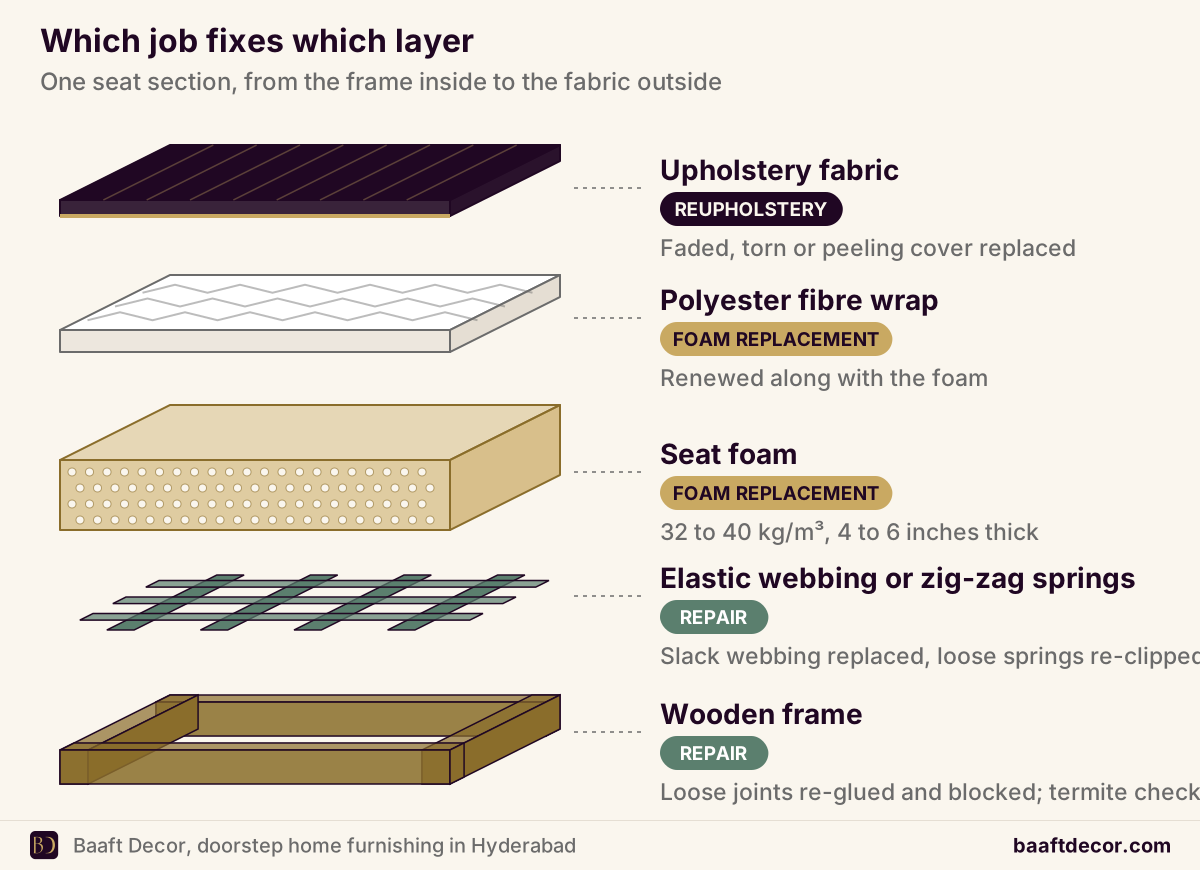
A tired sofa sends most people straight to a furniture showroom. Often that’s the wrong first stop. Sofas usually fail from the outside in: the fabric fades or tears, the seat foam goes flat, the webbing underneath sags. The frame, which is the expensive part, is frequently still fine. When we inspect a sofa for sofa upholstery in Hyderabad, the first job is working out which layer has actually failed, because that decides what you actually need: a repair, new fabric, a cover or a new sofa.
This guide follows that same order: frame, fabric, foam, the base, recliners, covers, new sofas, then cost, process and care. Each chapter links to a deeper guide.
Repair, reupholster, cover or buy new?
Match what’s wrong to the right job:
| What you see | Usual cause | The job |
|---|---|---|
| Faded, torn or pilled fabric, frame solid | Worn upholstery | Reupholstery |
| Seats sink, you feel the frame | Tired foam, slack webbing or loose springs | Sofa repair, often with reupholstery |
| Peeling PU leatherette | Coating broken down by heat and sweat | Reupholster in fabric |
| Recliner stuck, handle loose, motor dead | Cable, springs or electrics | Recliner repair |
| Sound sofa, you just want a new look | Nothing broken | Fitted covers |
| Sofa too big for the new flat, or frame rotten | Wrong size or failed structure | New sofa, ideally made to measure |
Everything in the top four rows is repairable on a good frame. So the frame comes first.
Chapter 1: Start with the frame
The frame is the skeleton. A weak frame isn’t worth dressing up, and a strong one outlasts fabric and foam several times over.
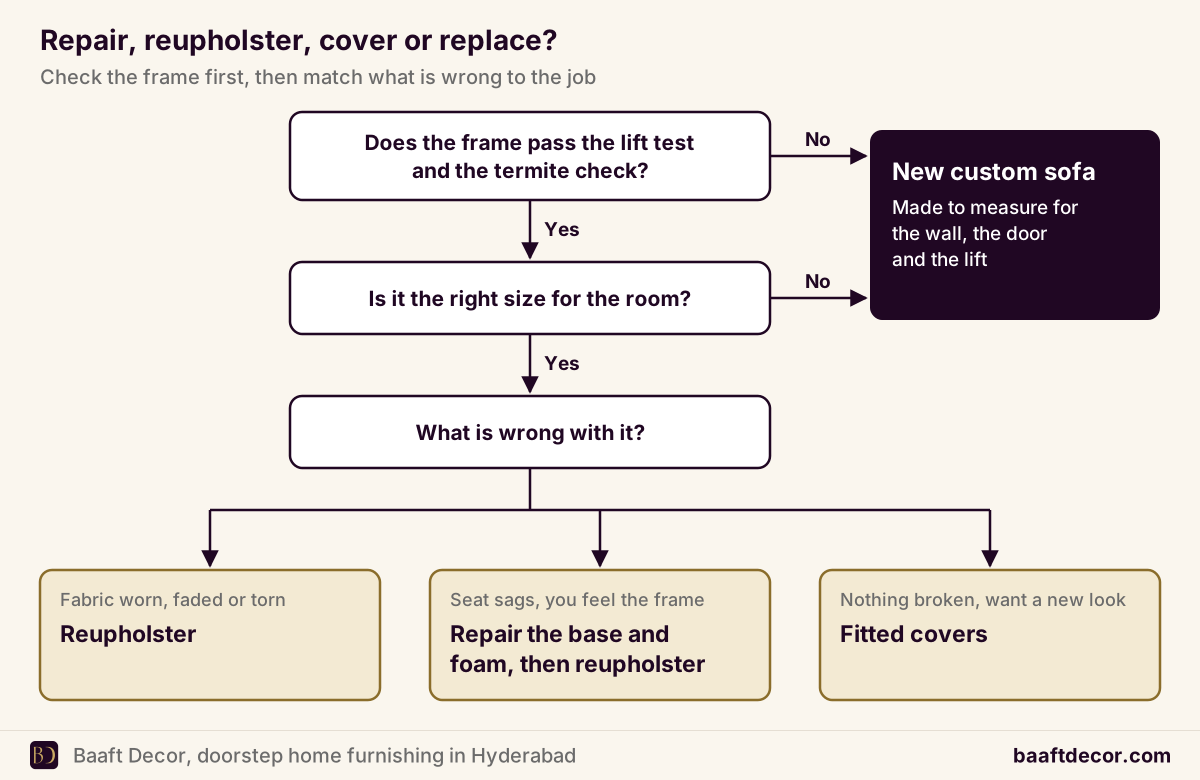
The lift test. Lift one front corner about 10 to 15 cm off the floor. On a rigid frame, the other front leg rises with it almost immediately. If the corner lifts while the other leg stays planted, or the joints creak, the frame is flexing. Loose joints can be re-glued and blocked. Weak material can’t be saved.
What it’s made of. Unzip a seat cushion or look under the dust cloth. Solid hardwood (teak, sal, sheesham or well-seasoned local hardwood) shows grain and is worth keeping. Good plywood is acceptable when joints are glued and screwed. Particle board or MDF sags under load and swells if a monsoon leak or floor mopping reaches it.
Termites. Ground-floor flats and independent houses in Hyderabad see termite activity. Look for fine powder near the legs, mud tubes on the floor or wall behind the sofa, and wood that sounds hollow. Limited damage can sometimes be cut out and rebuilt; widespread damage means the frame is done.
Is a 20-year-old sofa worth saving? Often, yes. Many sofas from the 1990s and 2000s were built heavier than today’s flat-pack sets, on solid frames with proper joinery. Our full decision guide, reupholster or buy a new sofa, walks through the frame checks with a flowchart, explains what reupholstery can change (seat feel, look, even leatherette to fabric) and what it can’t (the sofa’s footprint), and why you should compare a reupholstery quote with a new sofa of similar build, not the cheapest one on a sale page.
Chapter 2: Choosing sofa fabric for Hyderabad’s heat, dust and monsoon
The best sofa fabric is the one that survives your actual living room: west sun through the window, fine dust every day, monsoon damp, and whoever sits on it most.
For a main family sofa we suggest a tightly woven polyester, poly-cotton blend or polyester microfibre in a mid-tone. Here’s how the common options compare:
| Fabric | Summer comfort | Dust and stains | Best for |
|---|---|---|---|
| Cotton, linen | Coolest | Absorb spills, fade in sun | Washable covers, low traffic |
| Polyester, poly-cotton weave | Comfortable | Good; spills sit on the surface | Main family sofa |
| Microfibre / performance | Comfortable | Easy to wipe | Kids, pets |
| Chenille, velvet | Warm | Hold dust and hair | Formal or low-use rooms |
| PU leatherette | Hot, sticky | Wipes clean, then peels | Short-term or AC rooms only |
Check the rub count. The Martindale test counts how many abrasion cycles a fabric survives. Asian Paints Beautiful Homes quotes a furnishing-brand founder recommending 20,000 rubs and above for upholstery, and commercial seating usually starts somewhere between 30,000 and 40,000. For a sofa used daily, we aim for 25,000 or more. The rub count says nothing about fading or pilling, so test those separately: rub two swatch edges together for half a minute and look for fuzz.
Mind the local conditions. West-facing living rooms in areas like Gachibowli and Kondapur take low afternoon sun that fades cotton noticeably over a couple of summers. Construction dust settles into open and pile weaves. And a closed flat in the monsoon can smell musty, which is why zipped, removable cushion covers are worth the small extra labour.
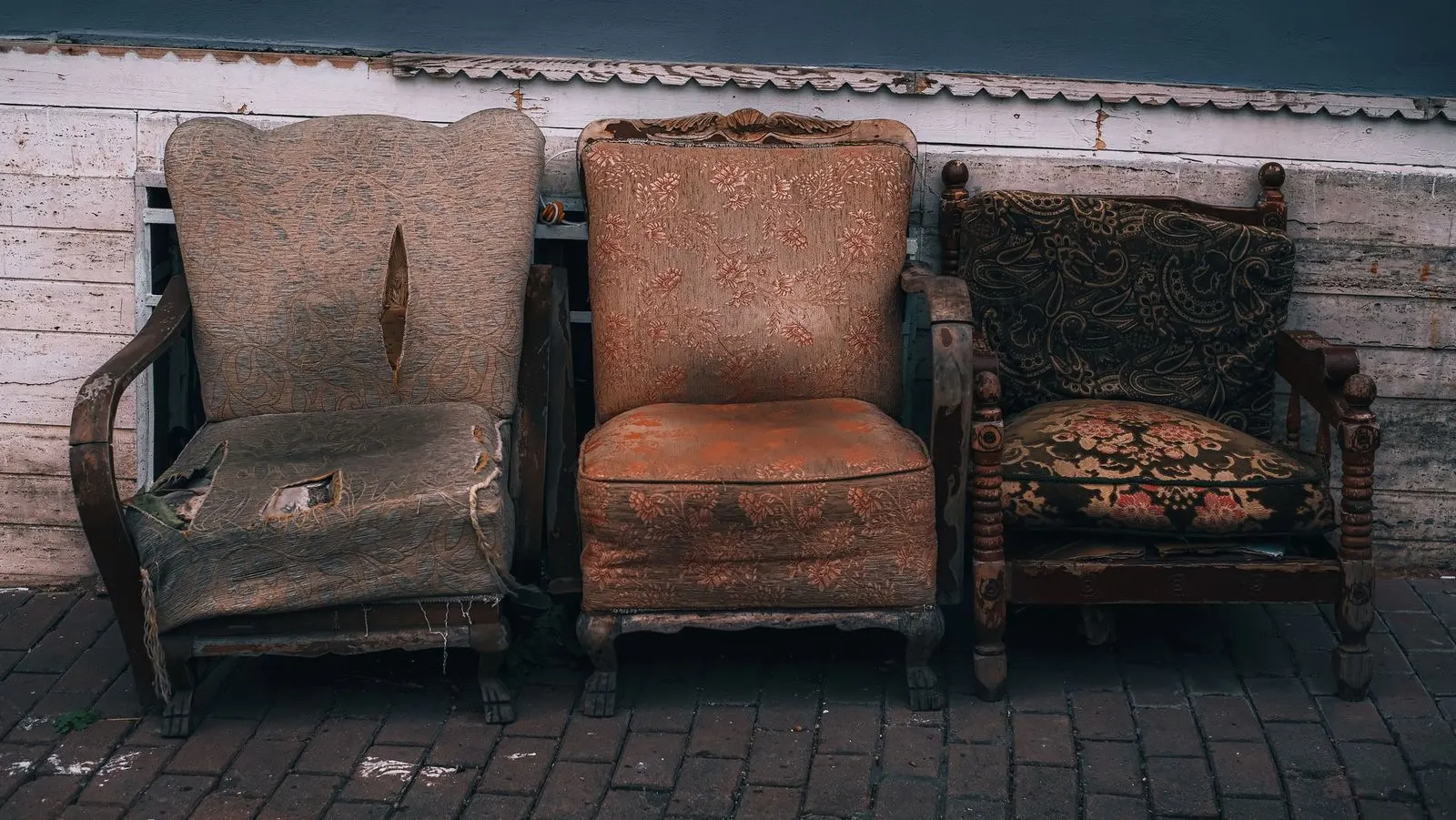
Leatherette deserves a special mention because it’s the material we’re most often asked to replace. It looks good on day one, then heat, sweat and humidity break down the PU coating and it cracks at the seat edges and arm tops. The frame underneath is usually fine, which makes these some of the clearest reupholstery cases.
Our guide to the best sofa fabric for Indian homes compares eight fabrics, genuine leather included, matches them to homes with children, pets or no AC, gives five swatch tests you can do at home, and explains why mid-tone colours hide dust best.
Chapter 3: Foam, seat comfort and cushion refilling
A sagging seat is one of the most common complaints, and usually the fix is new foam, not a new sofa. But “new foam” covers a wide range. Two cushions can look identical when cut and behave completely differently a year later.
The number that matters is density, written as kg/m³ and spoken in shops as “32 density” or “40 density”. For a sofa used every day:
- Seats: 32 to 40 kg/m³, ideally high-resilience (HR) foam, 4 to 6 inches thick, wrapped in polyester fibre.
- Back cushions: softer, around 20 to 32 kg/m³, or fibre fill for loose pillows.
- Arms: lower density is fine.
Those ranges line up with manufacturer guidance. Sheela Foam, one of India’s large foam makers, gives about 30 kg/m³ for a fixed sofa seat, 32 to 35 for heavy use, 20 to 25 for backrests, and 32 to 40 for commercial seating, presented as examples rather than a fixed standard. We lean towards the higher end for main family sofas.
Here’s what most people miss: density isn’t firmness. Firmness is a separate rating (ILD or IFD). A seat can feel firm in a shop and still be cheap, low-density foam that sags within a year. Choose density first for lifespan, then firmness for comfort. Elderly parents usually do better on a firmer seat that’s easier to stand up from.
You can check density yourself. Weigh a block of known size: a piece 1 m × 0.5 m × 0.1 m is 0.05 m³, so at 32 kg/m³ it should weigh about 1.6 kg, and at 40 kg/m³ about 2 kg.
“Cushion refilling” means two different jobs. Loose back cushions that have gone flat get a fibre top-up. Seat cushions with a failed foam core need new foam; adding fibre to them doesn’t last. Our sofa foam density guide gives a density table for each part of the sofa, compares standard, HR, memory and rebonded foam, lists the four tests that tell you whether yours needs replacing, and suggests firmness for elderly parents, nappers and children.
Chapter 4: Webbing, springs and frame repairs
Before you blame the foam, lift the cushions and press the deck. If the dip is in the base, new foam just sinks into the same hole.
- Elastic webbing loses tension with age and strands snap. It’s replaced on the existing frame.
- Zig-zag (serpentine) springs come loose from their clips and get re-clipped; a broken one is replaced.
- Loose joints are re-glued and strengthened with corner blocks.
- Broken legs and split seams are quick fixes.
Small jobs like legs, seams, loose arms and cushion refilling are usually done at home. Anything that needs the sofa opened up, such as webbing, springs, frame joints or full re-covering, can’t be done properly in a living room, so the sofa is taken away and brought back finished. Our sofa repair service lists which faults fall where, and the technician tells you on the inspection visit.
If you’re reupholstering anyway, fix the base at the same time. Stripping a sofa again next year to fix a spring doubles the labour.
Chapter 5: Recliners and recliner sofas
A recliner that won’t close or a power seat that just stops sounds like a big failure. Usually it’s one small part:
| Symptom | Likely cause |
|---|---|
| Handle loose, nothing happens | Release cable unhooked or snapped |
| Footrest won’t close | Stretched springs, tight cable housing, bent linkage, something jammed |
| Back won’t stay up | Worn springs or loose back brackets |
| Wobble or squeak | Loose bolts, dry pivots |
| All power seats dead | Shared power supply or transformer |
| One power seat dead | That seat’s switch, cable or motor |
| Motor hums, nothing moves | Obstruction or a loose actuator connection |
| Peeling cover, flat seat | Worn PU leatherette and soft foam |
Some checks are safe to do yourself. Unplug power recliners first, every time. Look for remotes, toys and chargers jammed in the mechanism, check that the handle cable’s hooked end is seated, and tighten visible bolts. On a power recliner, confirm the socket works and the adapter is pushed fully in. Leave springs and electrics to a technician: recliner springs are under real tension.
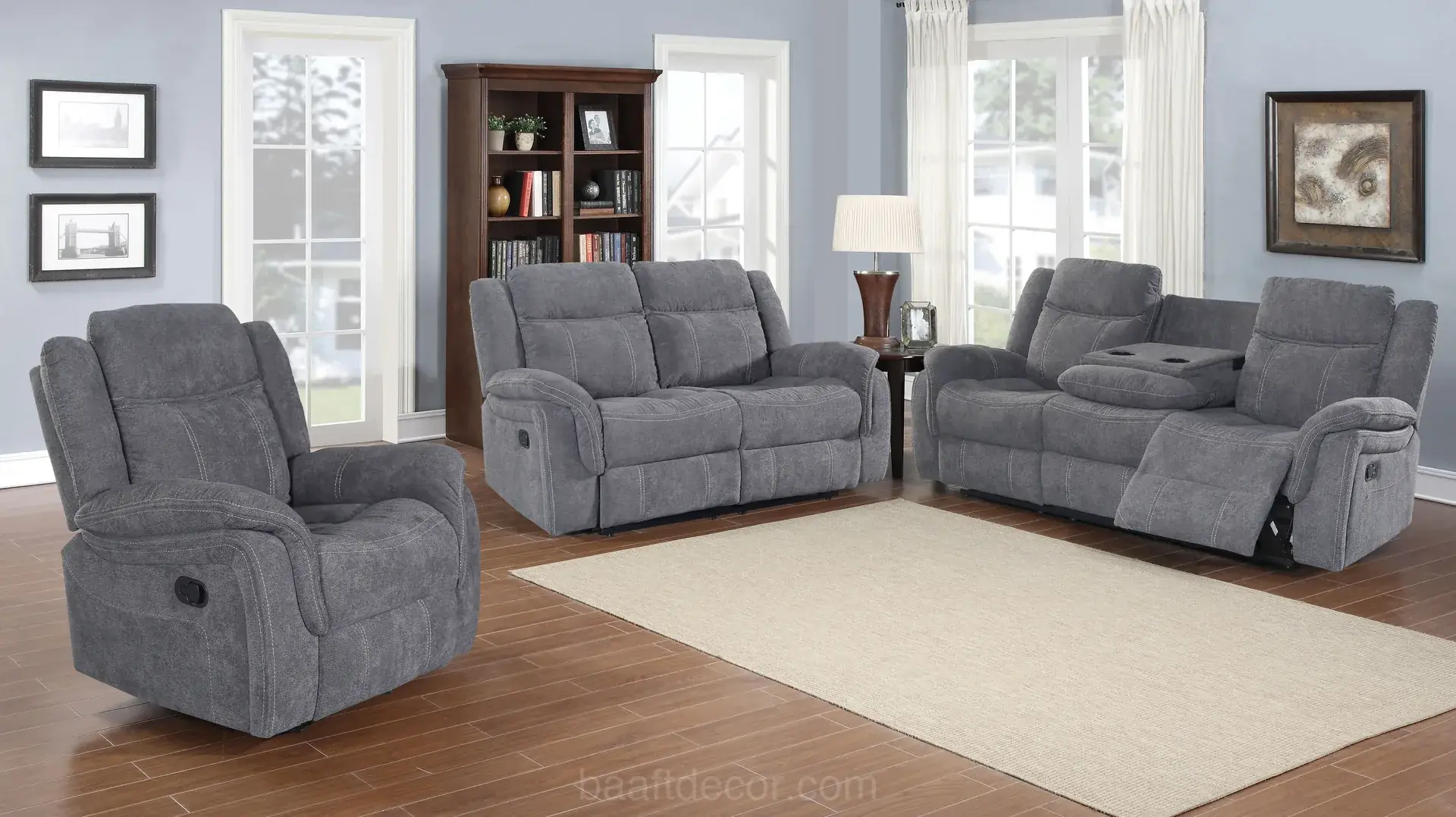
Recliners are commonly estimated to last around 7 to 15 years, and the steel mechanism often outlasts the upholstery. Our recliner repair service diagnoses the mechanism at your home, and the guide to common recliner problems walks through the eight usual faults, which checks are safe to do yourself, and the signs that a whole mechanism is finished (bent linkage arms, worn rivets, deep rust, a cracked weld). If you’re buying rather than fixing, our recliner sofa buying guide compares manual and motorised recliners, the socket and inverter backup a motorised one needs, clearance behind (a wall-hugger needs only a few inches) and in front for the footrest, and what to test in the mechanism before you pay.
Chapter 6: Sofa covers: when they’re enough
A cover can protect a sofa you like or hide one you don’t. It can’t fix sagging seats, flat foam or a loose frame.
Stretchable covers are ready-made polyester-spandex knits sold by seat count. They’re quick and washable, but they fit loosely and wrinkle, and unusual arms or deep seats defeat them. Fitted covers are cut panel by panel from furnishing fabric with zipped cushion covers, and they look close to new upholstery.
Covers make most sense in a rented flat, on a new light-coloured sofa you want to keep new, with pets and toddlers, before a family function, or in a west-facing room where the cover takes the fading instead of the upholstery. The awkward shapes need care. For an L-shape, note which side the chaise is on as you face the sofa, because left and right sets aren’t interchangeable. Recliner covers must clear the handle and footrest gap. Smooth leather needs non-slip backing or a fitted cover. On wooden sofas, “cover” means box cushion covers with zips.
Our sofa cover stitching service measures every panel for fitted covers, and the sofa cover types guide compares six cover types, from stretch and fitted covers to throws, seat mats and waterproof covers, explains how to cover L-shapes, recliners, leather and wooden sofas, and shows how to measure for one.
Chapter 7: Buying or building a new sofa
Sometimes new is right. If the frame has failed, or you’ve moved from an independent house to a 2BHK and the old 3+2 set blocks the balcony door, no amount of fabric fixes that.
Showroom sofas come in standard lengths. Your wall doesn’t. A made-to-measure sofa is sized to the wall, the walkway, and the people who sit on it, and in apartments it also has to get through the main door and the lift. That’s why we measure the lift car, corridor turns and staircase on the first visit, and build larger sofas in sections that are joined in your living room. Load-bearing rails and legs should be properly seasoned hardwood; BWR-grade plywood is fine for arm boxes and back panels, but avoid frames built entirely from particle board.
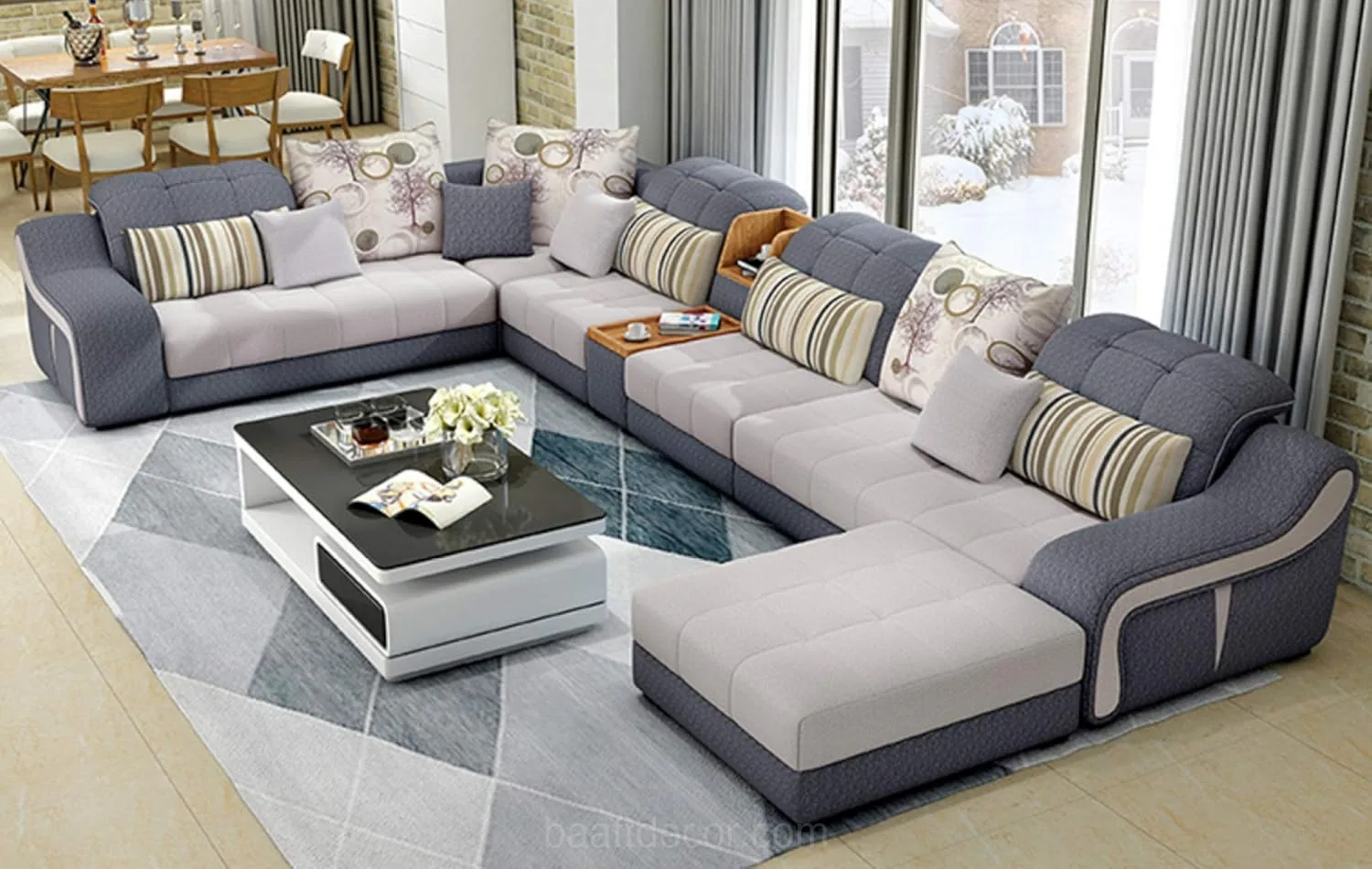
L-shapes need the most planning: the chaise side, seat depth, and whether the corner seat is actually usable. Our L-shape sofa buying guide starts with taping the footprint on your floor and keeping about 3 ft clear for walkways, then covers naming the chaise side (LAF or RAF, judged facing the sofa), seat depth for upright sitters and loungers, and measuring the lift so the modules fit. For made-to-measure fixed sofas, L-shapes and recliner sofas, see our custom sofa makers service.
The same fabric and foam rules carry over to the smaller upholstered pieces: dining chair seats, scatter cushions and bed headboards. A custom upholstered headboard can be made in the same or a coordinating fabric as the bedroom curtains, so the bed wall and windows match.
Chapter 8: What drives the cost of sofa work?
We don’t publish rates here; fabric grades and foam prices move often, and a figure without seeing the sofa is a guess. What we can explain is what moves the number.
Reupholstery is usually quoted as labour per seat plus fabric per metre, with foam, repairs and extras on separate lines. A 3+1+1 set counts as five seats; an L-shape is counted by seat units, often with the corner as an extra seat.
- Fabric metres. A fully covered three-seater needs about 10 metres of 54 inch fabric; wooden arms need less, L-shapes, skirts and big patterns need more.
- Fabric grade. Weight, weave and rub count, within the same fabric type.
- Foam. Reusing sound foam with a new fibre wrap, or replacing it by density and volume.
- Labour for the style. Piping, buttons, channels, skirts, curved arms, loose back cushions and recliner mechanisms all add hours.
- Hidden repairs. Webbing, springs or frame damage found once the fabric comes off. A fair quote says how these will be handled before work continues.
- Logistics. Removal, refitting and disposal of old material, which takes longer in high-rises with small service lifts.
Our sofa reupholstery cost guide breaks down the six cost drivers, shows how to work out fabric metres yourself, lists the seven things a proper quote should include (GST and advance terms among them), and gives the honest ways to save, like choosing a plain fabric and doing the whole set together. When you want an actual figure, our sofa upholstery team gives a fixed, itemised quote after inspecting the sofa.
Chapter 9: How reupholstery is done, step by step
- Free home visit. We do the lift test, press-test the seats, look under the dust cloth and at the joints, and tell you plainly whether the sofa is worth saving. If it isn’t, we say so.
- Fabric and foam choice. Swatch books across grades, judged in your own light, and foam samples you can press.
- Measurement and quote. Every fabric-covered panel is measured, so you buy once. The quote lists fabric, metres, foam density and thickness, labour, extras and repairs.
- Stripping and repair. The sofa is taken away, the old fabric comes off, and the frame, webbing and springs are checked and fixed.
- Foam and upholstery. New or re-wrapped foam, then fabric cut, stitched and fitted with the agreed details.
- Return and refit. The sofa is brought back finished, cushions are set, and you check it before we leave.

Chapter 10: Caring for your sofa through the year
- Weekly to fortnightly: vacuum with an upholstery brush, especially when nearby buildings are under construction. Tight weaves let dust come off; pile fabrics hold it.
- Rotate and flip loose seat cushions so they wear evenly.
- Summer: keep sofas out of direct west sun or use a blind or curtain on that window. It protects any fabric.
- Monsoon: pull the sofa 3 to 4 inches off external walls, air the room on dry days, skip wet shampooing in July and August, and make sure washed covers are fully dry before refitting. Our monsoon home care guide starts with damp walls and indoor humidity, then covers sofas, curtains, wallpaper, floors and wardrobes, with a before, during and after checklist.
- Recliners: close the footrest before getting up, never stand on it, and vacuum under the mechanism every few weeks.
When should you call a professional?
Tightening a visible bolt or zipping on a stretch cover is fine to do yourself. Call a professional for anything under the dust cloth: webbing, springs, frame joints, recliner springs and electrics, foam replacement cut to size, and any reupholstery or fitted cover, where accurate panel measurement decides how it looks.
Get your sofa inspected
Book a free home visit and we’ll check the frame, foam and base, show you fabric and foam samples, and give a fixed quote for sofa upholstery or repair. We work across Hyderabad from 8 AM to 10 PM, all seven days. WhatsApp or call +91 98499 17494.
Frequently asked questions
Should I repair, reupholster or replace my sofa?
Whether to repair, reupholster or replace a sofa depends mainly on the frame. If the frame is solid hardwood, stays rigid when you lift one front corner, and has no cracks or termite damage, repair the base and reupholster it, because the frame is the costliest part and outlasts fabric and foam several times. Faded fabric, flat foam, slack webbing and broken springs are all routine fixes. Replace the sofa if the frame is swollen particle board, widely termite-damaged, or the sofa no longer fits your room.
Which sofa fabric is best for Hyderabad homes?
For most Hyderabad homes, the best sofa fabric is a tightly woven polyester, poly-cotton blend or polyester microfibre with a Martindale rub count of 25,000 or more, in a mid-tone colour. It holds colour in strong afternoon sun better than cotton, sheds construction dust when vacuumed, dries faster after the monsoon and stays comfortable in summer. Velvet suits formal, low-traffic rooms. PU leatherette is a poor choice for daily use in rooms without AC, because heat and sweat make it crack and peel.
What foam density is best for sofa seats?
For sofa seats used every day, choose foam of 32 to 40 kg/m³, ideally high-resilience (HR) foam about 4 to 6 inches thick with a polyester fibre wrap. Back cushions can be softer, around 20 to 32 kg/m³, or fibre-filled if they are loose pillows. Density decides how long the foam keeps its height and bounce, while firmness is a separate rating, so a firm-feeling seat can still be low-density foam that sags within a year. Ask for density and thickness in writing on the quote.
How much fabric is needed to reupholster a 3-seater sofa?
A fully upholstered three-seater sofa with no exposed wood needs roughly 10 metres of 54 inch wide fabric, and narrower fabric needs more. Sofas with wooden arms or frames need less. L-shapes, high backs, skirts, loose back cushions and large patterns that must be matched across seams need more. The accurate way is to measure every fabric-covered panel, add 10 to 15 percent for seams and wastage, and divide by the fabric width, which is what we do at the home visit.
What decides the cost of sofa reupholstery in Hyderabad?
Sofa reupholstery cost in Hyderabad is usually built from labour per seat and fabric per metre, with other items added separately. The main drivers are how many metres the sofa needs, the fabric grade, whether foam is reused with a new fibre wrap or replaced, labour for details such as piping, buttons, channels and loose cushions, any frame, spring or webbing repairs found once the old fabric comes off, and removal and refitting. A fixed, itemised quote is given after inspecting the sofa at home.
Can sofa repair be done at home?
Many sofa repairs can be done at home. Fixing wobbly or broken legs, re-stitching split seams, tightening loose arms and refilling cushions with new foam are usually handled in your living room. Jobs that need the sofa opened up properly, such as re-gluing frame joints, replacing webbing or springs, or full re-covering, can't be done properly in a living room, so the sofa is taken away and brought back finished. After the free home inspection, the technician tells you which applies and lists it on the quote.
Are fitted sofa covers better than stretchable covers?
Fitted sofa covers are better than stretchable covers when the cover will be the sofa's look for years. Fitted covers are stitched from furnishing fabric to your sofa's measured panels, with separate zipped cushion covers, so they stay put and look close to new upholstery. Stretchable covers are ready-made elastic knits sold by seat count; they are quick and inexpensive but fit loosely, wrinkle and slip, especially on L-shapes, recliners and leather. Neither fixes sagging seats or a weak frame.
Can a recliner be repaired or does it need replacing?
Most recliners can be repaired rather than replaced, because faults usually come from a few replaceable parts: a detached or snapped release cable, stretched footrest springs, loose bolts and worn pivots, or on power recliners a failed transformer, switch or motor. Peeling leatherette and flat seat foam are fixed by reupholstering. Replacement makes sense only when the frame is cracked, the mechanism is badly bent with no matching part available, or several major parts have failed at once. Leave springs and electrics to a technician.
How should I look after a sofa during Hyderabad's monsoon?
During Hyderabad's June to September monsoon, pull the sofa a few inches away from damp walls, keep the room aired on dry days and run a fan when it is humid, so the foam and frame do not hold moisture and smell musty. Avoid wet shampooing in July and August, because foam dries slowly. Zipped, removable cushion covers let you air the foam and wash covers, but make sure covers are fully dry before refitting. Keep mop water away from the legs and any recliner mechanism near the floor, which can pick up surface rust.